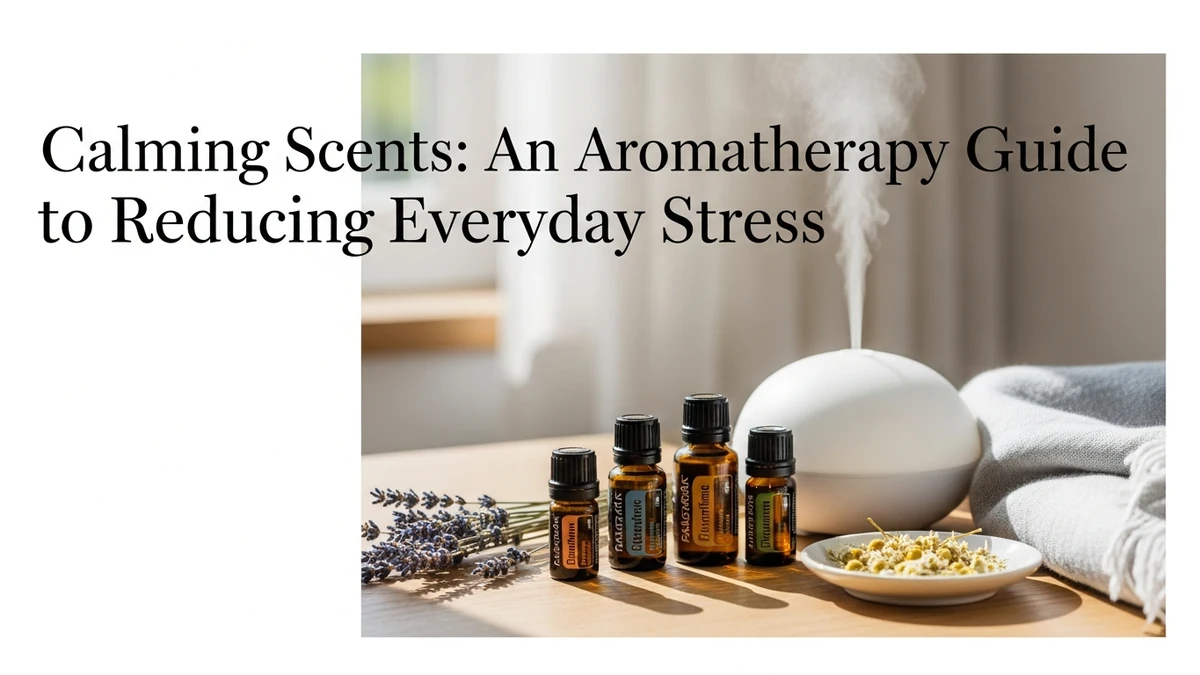
Stress, a natural response, becomes challenging when chronic, impacting our physical and mental health. In modern life, managing this tension is vital for overall well-being. Aromatherapy, which utilizes plant-derived essential oils, offers a natural path to promote relaxation and calmness.
In this guide, we will explore how aromatherapy can help reduce daily stress. We'll delve into essential oils with anxiolytic and sedative properties, their compositions, benefits, safe uses, and precautions, all to help you create a serene environment and foster emotional balance.
Properties and Composition
Essential oils are volatile, concentrated compounds extracted from plants, renowned for their chemical complexity and interaction with the limbic system. This interaction directly influences mood and stress, offering a natural means to modulate the body's emotional responses.
Key Chemical Components
The efficacy of essential oils against stress lies in their unique chemical constituents. Lavender (linalool, linalyl acetate) is widely recognized for its calming and sedative effects. Bergamot (limonene, linalyl acetate) is known to reduce anxiety and uplift mood. Ylang Ylang (geranyl acetate, germacrene) promotes profound relaxation. Roman Chamomile acts as a powerful calmant for the nervous system. Frankincense encourages deep breathing, while Vetiver provides a grounding and deeply calming effect.
Proven Therapeutic Properties
Scientifically, many essential oils modulate the physiological response to stress. They can influence neurotransmitters like serotonin and GABA, regulating mood and anxiety. Their actions include anxiolytic, sedative, hypotensive, and muscle-relaxing effects, fostering serenity and tranquility.
Benefits and Applications
Integrating essential oils into your routine offers numerous benefits for stress management, helping to restore balance to both body and mind.
Physical Health Benefits
Chronic stress often manifests physically as muscle tension, headaches, and sleep disturbances. Oils like lavender and marjoram can help relax muscles, while peppermint is known to alleviate tension headaches. Many essential oils promote restful sleep, which is crucial for recovery and stress reduction, contributing to an effective cycle of rest and well-being. The observed decrease in heart rate and blood pressure with oils like ylang ylang or bergamot also indicates a positive impact on the cardiovascular system.
Mental and Emotional Health Benefits
In the mental and emotional realm, essential oils are powerful tools to calm an anxious mind, uplift mood, and foster inner peace. Bergamot is recognized for reducing anxiety and symptoms of depression. Roman Chamomile helps soothe emotions and induce relaxation. Frankincense can deepen breathing and enhance meditation, aiding in mental clarity and reducing overthinking. Aromatherapy offers an olfactory sanctuary that can shift your state of mind, breaking cycles of worry and nurturing emotional resilience.
Methods of Use
There are various ways to incorporate essential oils to reduce stress, each offering distinct benefits. The choice depends on personal preference and the desired effect.
Aromatic Diffusion
Diffusion is a popular and effective method. An essential oil diffuser disperses micro-particles into the air, creating a therapeutic atmosphere. To reduce stress, diffuse 5-10 drops of lavender, bergamot, Roman chamomile, or a calming blend for 15-30 minutes, three times a day. This helps maintain a calm and serene environment, promoting mental peace. Avoid excessive diffusion, especially around children and pets.
Topical Application (Massage and Baths)
Topical application allows for absorption through the skin. Always dilute essential oils in a carrier oil (fractionated coconut, jojoba, almond oil). For a relaxing massage, add 2-3 drops of lavender, ylang ylang, or vetiver to 10 ml (approx. 2 teaspoons) of carrier oil. Massage into temples, neck, shoulders, or feet before sleep. For a calming bath, dilute 5-10 drops in one tablespoon of carrier oil before adding to bathwater.
Direct Inhalation
Direct inhalation is a quick method for acute stress or anxiety. Place 1-2 drops of an essential oil (such as lavender for calmness) onto a tissue and inhale deeply. Alternatively, you can inhale directly from the bottle. For steam inhalation, add 2-3 drops to a bowl of hot water, cover your head with a towel, and inhale for 5-10 minutes (keeping eyes closed). This method is particularly useful for targeted stress reduction.
Safety Warnings and Precautions
While essential oils are natural, they are potent substances and must be used responsibly. Safety is paramount to prevent adverse reactions and ensure a positive therapeutic experience. * Dilution: Always dilute in a carrier oil before applying to the skin (0.5% to 5% concentration). * Patch Test: Perform a patch test on a small area of the inner forearm 24 hours before extensive use. * Phototoxicity: Citrus oils like bergamot (especially the furanocoumarin-containing variant) can increase sun sensitivity; avoid sun exposure for 12-18 hours after topical application. * Internal Use: Only under the guidance of a qualified healthcare professional. * Pregnancy and Lactation: Consult a professional. Some oils are contraindicated (e.g., clary sage, rosemary). * Children: Use very low dilutions, under supervision and professional guidance. Lavender and Roman chamomile are generally considered safer options. * Sensitive Skin: Exercise extra caution and perform a patch test. * Pets: Diffuse in well-ventilated areas, ensuring pets can leave the room. Some oils are toxic (especially for cats). Consult a veterinarian. * Medical Conditions: Consult a doctor if you have pre-existing medical conditions (e.g., asthma, epilepsy, high blood pressure). * The information contained in this article is for educational and informational purposes only, and does not constitute medical advice, diagnosis, or treatment. Always seek the advice of your physician or other qualified health provider for any questions you may have regarding a medical condition or before starting any new wellness regimen.
Blends and Synergies
Aromatherapy allows for combining essential oils to create synergies, enhancing their therapeutic effects and crafting pleasant aromas for stress reduction.
Complementary Essential Oil Blends
For stress relief, combine complementary oils: * Lavender and Bergamot: For relaxation and mood uplifting. * Roman Chamomile and Frankincense: To calm the mind, promote meditation, and alleviate deep anxiety. * Ylang Ylang and Sandalwood: Offers grounding, calmness, and tension reduction. * Vetiver and Sweet Orange: A calming and comforting synergy for anxiety or insomnia. * Marjoram and Cedarwood: Excellent for muscle relaxation and tension relief. Start with small quantities to adjust the proportions to your preference.
Ideal Carrier Oils
Choosing the right carrier oil is crucial for topical application. They dilute essential oils and offer their own beneficial properties. * Fractionated Coconut Oil: Light, odorless, non-greasy, and quickly absorbed. Ideal for relaxing massages. * Jojoba Oil: Similar to the skin's natural sebum, excellent for sensitive skin. Very stable. * Sweet Almond Oil: Rich in vitamins, nourishing, and emollient. Good for massages and dry skin. * Grapeseed Oil: Light and absorbs well. Always choose high-quality, cold-pressed, and organic carrier oils for optimal purity and efficacy.
Final Thoughts
Aromatherapy offers an accessible path to stress management. Integrating calming scents into your daily routine not only alleviates symptoms but also fosters tranquility and self-care. Small inhalation breaks, a relaxing bath, or diffusing oils can significantly improve your quality of life.
Explore and discover the essential oils and methods that resonate most with you. Used responsibly, aromatherapy can become a valuable tool for promoting emotional well-being and serenity. Prioritize your mental and physical health, allowing these aromas to guide you toward greater calmness and balance.