The struggle to find adequate rest is a reality for many in our fast-paced world. Restless nights or poor sleep quality directly impact our productivity, mood, and overall well-being. Fortunately, nature offers powerful allies to reverse this trend, and aromatherapy stands out as an ancient and effective tool for promoting deep relaxation and preparing the body and mind for a restorative night.
Integrating aromatherapy into your bedtime routine is not just a luxury but an investment in your mental and physical health. Throughout this article, we'll explore how essential oils can be used safely and strategically to soothe the senses, reduce stress and anxiety, and pave the way for peaceful, uninterrupted sleep. Prepare to uncover the secrets to a truly restorative night's rest.
Properties and Composition
Essential oils are highly concentrated plant extracts, capturing their fragrances and therapeutic properties. They are the aromatic essence of the plant and possess a complex chemical composition that interacts with our olfactory and limbic systems, directly influencing our emotions and physiological responses. The key to the effectiveness of essential oils for sleep lies in their natural calming and sedative properties.
Key Chemical Components
The therapeutic effects of essential oils are attributed to their chemical components. For example, Lavender (Lavandula angustifolia), one of the most popular essential oils for sleep, is rich in linalool and linalyl acetate, substances known for their anxiolytic and sedative properties. Roman Chamomile (Chamaemelum nobile) contains esters like isobutyl angelate, which provide a profound calming effect. Vetiver (Vetiveria zizanioides), known for its earthy, grounding aroma, has sesquiterpenes that help calm the central nervous system. Sandalwood (Santalum album) is valued for its santalols, components that induce relaxation and meditation, while Bergamot (Citrus bergamia, bergapten-free for nighttime use) contains limonene and linalyl acetate, contributing to stress reduction and an uplifted mood before sleep.
Proven Therapeutic Properties
Various research has demonstrated the therapeutic properties of essential oils that aid sleep. These include: anxiolytic (anxiety reduction), sedative (sleep induction), calming (tension relief), anti-inflammatory (reducing discomfort that can hinder sleep), and antispasmodic (muscle relaxation). These properties work together to prepare the body and mind for rest, promoting a state of deep relaxation and facilitating the transition to peaceful sleep. The ability to positively influence the nervous system makes aromatherapy a powerful ally in the pursuit of better sleep quality.
Benefits and Applications
Incorporating aromatherapy into your nightly routine can unlock a range of benefits, addressing both physical and mental-emotional health, culminating in tranquil and rejuvenating sleep.
Benefits for Physical Health
On a physical level, essential oils can work in various ways to promote the necessary relaxation before bedtime. The topical application of diluted oils, through a relaxing massage, can relieve muscle tension and minor aches that impede sleep. Aromas like Lavender or Marjoram possess properties that can calm the nervous system, decreasing heart rate and blood pressure, preparing the body for rest. Additionally, inhaling certain oils can improve breathing, helping to clear airways and promote smoother airflow, which is crucial for preventing sleep interruptions.
Benefits for Mental and Emotional Health
Aromatherapy particularly shines in its benefits for mental and emotional health. Inhaling relaxing essential oils impacts the limbic system, the part of the brain responsible for emotions, memory, and hormonal regulation. This leads to a significant reduction in anxiety and stress, helping to quiet an overactive mind that often prevents sleep. Oils like Roman Chamomile and Sandalwood are excellent for promoting mental calm, emotional balance, and a state of serenity, essential for disconnecting from daily worries and entering a state of deep relaxation. They help silence internal noise, facilitating the transition into the realm of dreams.
Methods of Use
There are several ways to incorporate essential oils into your nightly routine to promote relaxation and peaceful sleep. The choice of method will depend on your personal preference and the desired effect.
Aromatic Diffusion
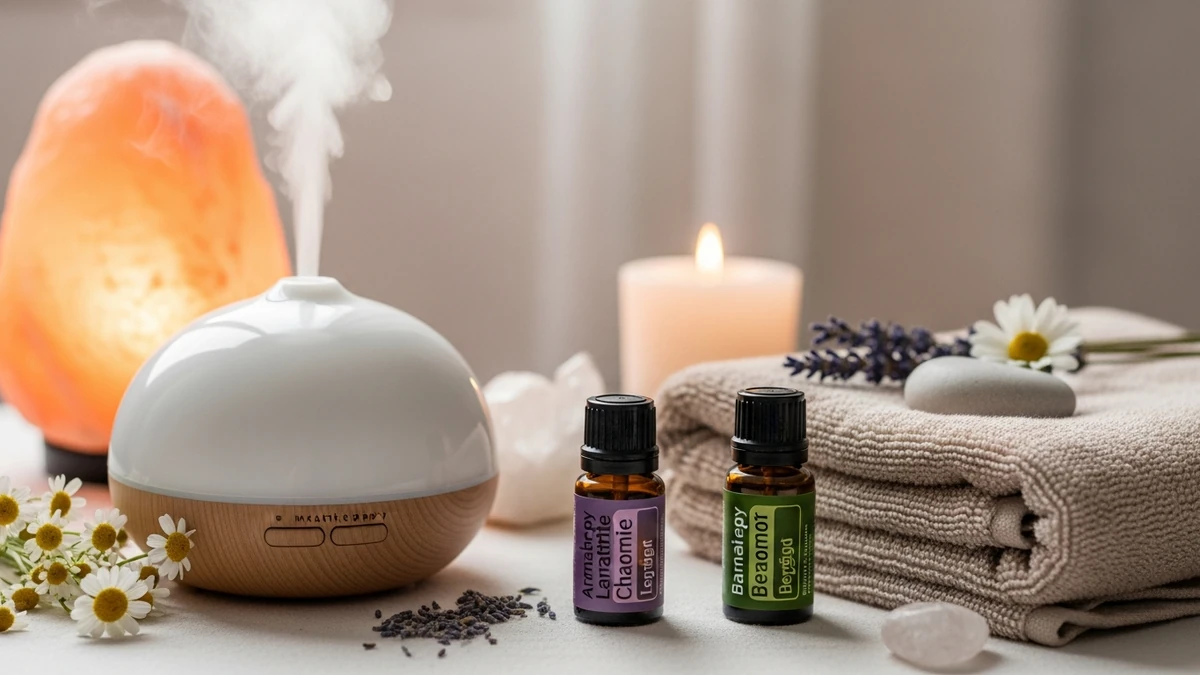
This is one of the most popular and effective ways to use essential oils for sleep. An ultrasonic diffuser disperses a fine mist of water and essential oil into the air, creating a relaxing atmosphere in your bedroom. Start diffusing about 30 to 60 minutes before lying down and turn it off when you get into bed or use a diffuser with a timer. For peaceful sleep, try 3-5 drops of Lavender, Roman Chamomile, or a blend of both. Ensure the room is well-ventilated, especially if you have pets at home, and position the diffuser out of reach of children and animals. Some oils can be toxic to pets, so research safe oils for them or consult a veterinarian.
Topical Application (Massage and Baths)
Topical application allows essential oils to be absorbed through the skin and enter the bloodstream, offering direct benefits. For a relaxing massage before bed, dilute 2-3 drops of your chosen essential oil (such as Lavender, Marjoram, or Cedarwood) in one tablespoon of carrier oil (like fractionated coconut oil, sweet almond oil, or jojoba). Gently massage into your wrists, temples, back of the neck, feet, or any areas of tension. Always perform a patch test on a small skin area 24 hours before extensive use, especially if you have sensitive skin.
For an aromatic bath, add 5-10 drops of the desired essential oil to a dispersant, such as sea salt, unscented liquid soap, or honey (to help emulsify the oil in water), before adding it to the warm bathwater. Remain in the water for 15-20 minutes, inhaling the relaxing vapors. This method is excellent for relieving stress and muscle tension before bed. Avoid using photosensitive citrus oils (like undistilled Bergamot or bergapten-containing Bergamot) if you will be exposed to the sun after bathing, but for nighttime, bergapten-free Bergamot is safe and very effective for relaxation.
Direct Inhalation
Direct inhalation is a quick and effective method to reap the benefits of essential oils. Before bed, place 1-2 drops of Lavender or Roman Chamomile on a tissue, cotton ball, or directly into your palms (rub them together to warm slightly, then cup your hands over your nose and inhale deeply) and take several deep breaths. You can also place a cotton ball with a few drops near your pillow. This method offers immediate relief for anxiety and helps calm the mind, signaling to the body that it's time to relax.
Safety Warnings and Precautions
While aromatherapy is a natural practice, the use of essential oils requires knowledge and caution. Safety is paramount to ensure you enjoy the benefits to the fullest without risks.
Pregnancy and Lactation: Pregnant or breastfeeding women should always consult a doctor or qualified aromatherapist before using essential oils. Some oils are contraindicated during pregnancy (such as Clary Sage and Peppermint in large quantities) or may affect breast milk. Dilution for pregnant and lactating individuals should be even more careful.
Children: Children's skin is more sensitive, and their systems are more delicate. Use essential oils with extreme moderation and higher dilution for children, preferring gentle oils like Lavender and Roman Chamomile. Always consult a pediatrician or a pediatric aromatherapist before use.
Sensitive Skin: For individuals with sensitive skin, it is crucial to perform a patch test (apply a small diluted amount to the inside of the forearm and observe for 24 hours) before topical application to larger areas. Dilution should always be appropriate to avoid irritation.
Pets: Diffusing essential oils in the environment requires special attention when pets are present. Cats, in particular, are very sensitive to many oils due to their inability to metabolize certain components. Always use diffusers in well-ventilated areas, offer an escape route for the animal, and avoid direct exposure. Consult a specialized veterinary aromatherapist before using oils near your pets.
Purity of Oils: Use only pure, quality essential oils from reputable suppliers. Adulterated or synthetic oils do not offer the same therapeutic benefits and can be harmful.
Never Ingest: Unless under the guidance and supervision of a qualified healthcare professional experienced in internal use of essential oils, never ingest essential oils. Most oils are not safe for internal consumption and can cause toxicity.
The information contained in this article is for educational purposes only and does not replace professional medical advice, diagnosis, or treatment. Always consult a qualified healthcare professional before starting any new treatment or for any questions related to your health condition, especially if you are pregnant, breastfeeding, have any pre-existing medical conditions, or are taking other medications.
Blends and Synergies
The art of aromatherapy is enhanced by synergy, the combination of different essential oils to create a more potent and comprehensive effect. By blending oils, you can not only enhance their individual properties but also create personalized fragrances that resonate with your specific relaxation and sleep needs.
Complementary Essential Oils
For peaceful sleep and deep relaxation, certain essential oil combinations are particularly effective: * Lavender and Roman Chamomile: A classic and gentle duo, ideal for calming the mind and body, reducing anxiety, and promoting restorative sleep. Perfect for an aromatic bath or diffusion. * Vetiver and Sandalwood: Base notes with earthy and woody aromas, excellent for grounding and calming overactive minds. They create a sense of security and stability, ideal for deep relaxation and pre-sleep meditation. Great for topical application on the feet or spine. * Bergamot (bergapten-free) and Cedarwood: Bergamot helps relieve stress and uplift mood, while Cedarwood provides a calming and comforting base, aiding mental clarity and relaxation. An excellent blend for your diffuser. * Marjoram and Sweet Orange: Marjoram has sedative properties and helps relieve muscle tension, while Sweet Orange offers a cheerful and calming touch, ideal for those who need a gentle mood boost before relaxing. Great for a relaxing massage on the chest and neck.
When experimenting with blends, start with 1-2 drops of each oil in your mixture, adjusting the proportions according to your olfactory preference and desired effect. The goal is to create a synergy that works in harmony for your well-being.
Ideal Carrier Oils
Carrier oils are just as important as essential oils in topical application. They dilute essential oils, preventing skin irritation, and aid in their absorption, while also offering their own nourishing benefits for the skin. For your nightly routine, some of the ideal carrier oils include: * Fractionated Coconut Oil: Light, odorless, and non-greasy, it's quickly absorbed by the skin. Ideal for massages and for oilier or sensitive skin types. * Sweet Almond Oil: A versatile oil, rich in vitamins E and A, known for its emollient and softening properties. Excellent for dry skin and a more nourishing relaxing massage. * Jojoba Oil: Actually a liquid wax, it is very similar to the skin's natural sebum, making it well-absorbed and rarely causing allergic reactions. It's an excellent carrier for all skin types, including sensitive ones. * Grapeseed Oil: Light, with a dry touch and rich in antioxidants, it's a good option for those seeking a carrier that doesn't leave the skin oily and has protective properties.
Always dilute your essential oils in a carrier oil before topical application. A good general rule for adults is 2-3 drops of essential oil for every teaspoon (5ml) of carrier oil for safe and effective application.
Final Considerations
Integrating aromatherapy into your nightly routine is a transformative step towards improved sleep quality and greater overall well-being. By understanding the properties of essential oils, such as Lavender, Roman Chamomile, Vetiver, and Sandalwood, and applying them consciously through diffusion, relaxing massage, or aromatic baths, you build a sanctuary of deep relaxation that precedes rest.
Remember that consistency is key. Experiment with different essential oils and their combinations to discover what resonates most with your individual needs. By making aromatherapy a pillar of your sleep hygiene, you not only promote peaceful sleep but also cultivate a state of mental calm and emotional balance that extends throughout your day. Allow yourself to experience the power of natural aromas and awaken to a more serene and restored life.