
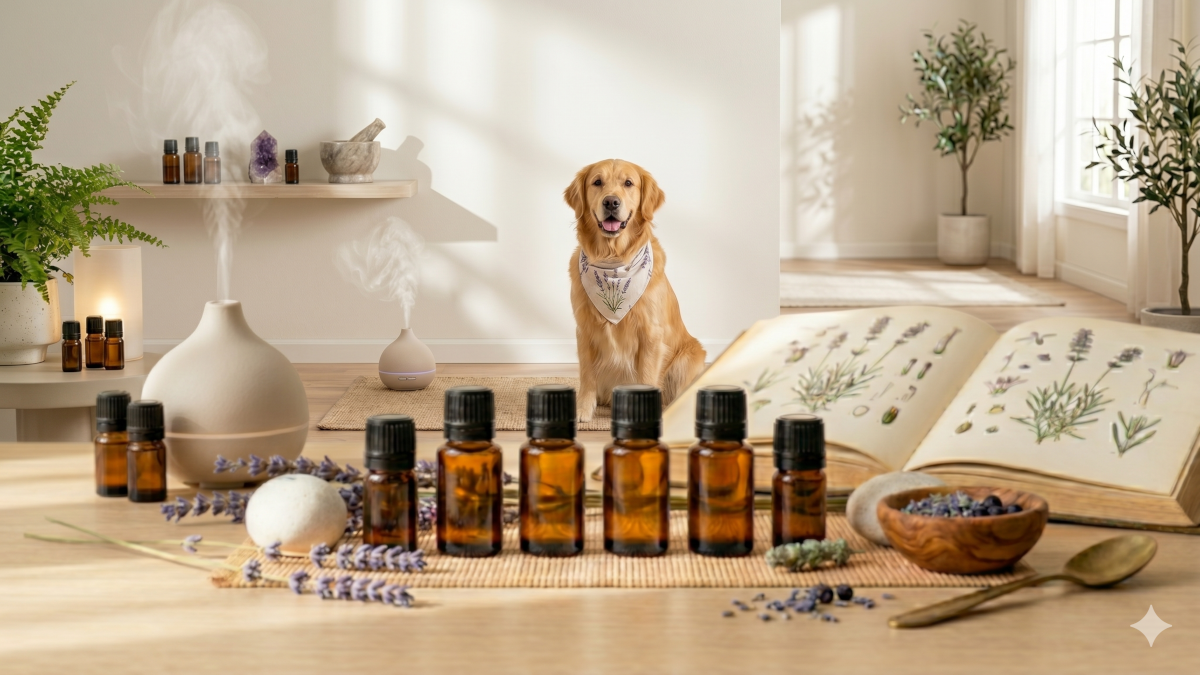
The quest for natural approaches to promote canine well-being has led many pet parents to explore aromatherapy. While essential oils offer a broad spectrum of benefits for humans, their use in environments with pets, especially dogs, demands in-depth knowledge and extreme caution. Dogs' physiology and sense of smell are significantly different from ours, making them more sensitive and vulnerable to certain substances. This guide aims to clarify common questions and provide guidelines for safe and effective aromatherapy for dogs.
With the growing popularity of essential oils, it's crucial for pet owners to understand the nuances of canine metabolism and potential risks before introducing any product into their pets' environment. Our goal is to explore the properties, benefits, and, most importantly, the necessary precautions to ensure aromatherapy serves as a supportive tool for dog health, not a source of problems. Information and responsibility are key to success.
Properties and Composition
Essential oils are highly concentrated plant extracts containing volatile compounds that give them their aroma and therapeutic properties. Their chemical complexity makes them potent, but also demands respect and moderation in their use, especially for beings with more sensitive systems like dogs.
Key Chemical Components
The chemical composition of essential oils varies widely from plant to plant. They are composed of hundreds of organic molecules, such as terpenes, esters, aldehydes, ketones, phenols, and oxides. Each component contributes to the oil's specific properties. For example, linalool and linalyl acetate in lavender are known for their calming actions, while limonene (found in citrus oils) has energizing potential and, in high concentrations, can be irritating or toxic to dogs due to its biotransformation in the liver. The presence of phenols and ketones in some oils makes them potentially more toxic to domestic animals, as these compounds can be difficult for the canine liver to process.
Proven Therapeutic Properties
The therapeutic properties of essential oils are diverse: anti-inflammatory, analgesic, antiseptic, relaxing, stimulating, among others. For dog health, some of these properties can be valuable for alleviating symptoms like dog anxiety, mild muscle aches, skin issues, or even to help repel insects. However, it's crucial to understand that the oil's concentration and purity, as well as the application method, directly impact its effectiveness and safety. A quality essential oil is vital to ensure no adulterants can further harm pets.
Benefits and Applications
When used correctly and cautiously, aromatherapy can offer various benefits for canine well-being.
Benefits for Physical Health
For physical health, some essential oils can be used to support mild conditions. For example, lavender and Roman chamomile possess mild anti-inflammatory and analgesic properties that may assist with muscle discomfort or minor skin irritations, always in extremely low dilution. Oils like frankincense are studied for their potential to support immunity and cellular regeneration, but their use in dogs requires veterinary supervision. It's crucial to emphasize that aromatherapy does not replace conventional veterinary treatments but can serve as a complement.
Benefits for Mental and Emotional Health
Dogs' mental and emotional health is an area where aromatherapy can have a significant impact. Oils like lavender, Roman chamomile, and vetiver are often associated with calming effects and can help reduce stress in dogs, separation anxiety, or fear of loud noises (like fireworks or thunderstorms). Careful diffusion can create a relaxing environment for dogs, promoting more peaceful sleep and balanced behavior. However, it's vital that the dog always has the option to move away from the scent if they dislike it.
Methods of Use
How essential oils are used is as important as the choice of oil itself, especially when it comes to dogs. Safety must be the priority.
Aromatic Diffusion
Aromatic diffusion is one of the most popular ways to use essential oils, but it requires special attention with pets. Use a cool-mist ultrasonic diffuser and always in a well-ventilated room. Start with 1-2 drops of oil in large volumes of water, for short periods (15-30 minutes), ensuring your dog has complete freedom to leave the room if desired. Never use heat diffusers, which can alter the chemical composition of the oils. Avoid constant diffusion. Monitor your dog closely for any signs of discomfort, such as coughing, sneezing, respiratory difficulty, or excessive licking. Dogs' olfactory capacity is far superior to ours, so “less is more”.
Topical Application (Massage and Baths)
Topical application on dogs requires the most caution due to the risk of ingestion (licking) and dermal absorption. Essential oils should never be applied neat (undiluted) directly to a dog's skin. Dilution is essential. Use a high-quality carrier oil for pets, such as fractionated coconut oil or sweet almond oil, in an extremely low proportion (0.25% to 0.5% for healthy adult dogs, meaning 1 drop of essential oil per 10-20ml of carrier oil). Apply to areas where the dog cannot easily lick, such as the base of the tail or behind the ears. Avoid sensitive areas like eyes, nose, and mucous membranes. For baths, add 1-2 drops of diluted essential oil to a neutral, dog-specific shampoo. Always perform a patch test on a small skin area first.
Direct Inhalation
Direct inhalation of essential oils by dogs is generally discouraged due to their powerful sense of smell and risk of airway irritation. If considering it, use it indirectly and passively, such as placing a drop of highly diluted oil on a tissue and positioning it at a safe distance, allowing the dog to approach or move away. Never force inhalation and always ensure good ventilation.
Safety Alerts and Precautions
Safety is the cornerstone of responsible aromatherapy with dogs. Not all essential oils are safe for dogs, and many are extremely toxic. Completely avoid the following essential oils: Tea Tree (melaleuca), wintergreen, peppermint, citrus (lemon, orange, grapefruit, bergamot – especially in diffusers or topically), cinnamon, clove, pine, mistletoe, anise, sarsaparilla, yarrow, pennyroyal, sweet birch, and thyme. These can cause liver toxicity, skin irritation, or severe gastrointestinal or respiratory issues. Always watch for signs of discomfort: trembling, lethargy, vomiting, diarrhea, excessive drooling, itching, difficulty breathing, facial swelling, or disorientation. If any of these symptoms appear, immediately discontinue use and consult a veterinarian. Keep essential oils out of reach of dogs to prevent accidental ingestion. The purity and source of the oil are crucial; use only therapeutic-grade oils from reputable brands. Avoid use in puppies, pregnant or lactating female dogs, elderly dogs, or those with pre-existing medical conditions (such as liver disease, kidney disease, respiratory issues, or seizures), unless under strict guidance and supervision from a veterinarian experienced in veterinary aromatherapy. It is essential to understand that the information provided here is for educational purposes only and does not substitute professional veterinary advice, diagnosis, or treatment. Always consult a qualified veterinarian before initiating any new wellness regimen for your pet, especially one involving essential oils.
Combinations and Synergies
Using essential oil combinations can enhance their effects but also increases complexity and the need for caution.
Complementary Essential Oils
For dogs, certain combinations can be beneficial. For instance, lavender with Roman chamomile can amplify the calming effect for anxious dogs. Frankincense with lavender may be useful for skin support in very low dilutions. Ginger (in minimal dilution) can assist with motion sickness, while cilantro (diluted) may support digestion. It's crucial to remember that even oils considered “safe” for dogs must be used with extreme moderation and dilution, always in small quantities, and by observing the animal's response.
Ideal Carrier Oils
Carrier oils are fundamental for diluting essential oils and reducing the risk of irritation or toxicity. For dogs, the most suitable options are: * Fractionated coconut oil: Lightweight, odorless, and easily absorbed. * Sweet almond oil: Rich in vitamins, good for skin. * Jojoba oil: Similar to natural skin sebum, excellent for hydration. * Grapeseed oil: Lightweight with antioxidant properties. Always choose pure, organic carrier oils without additives. Dilution for dogs is much greater than for humans, starting at 0.25% (1 drop of essential oil per 20ml of carrier oil) and a maximum of 0.5% for most cases.
Final Considerations
Aromatherapy can be a valuable addition to the toolkit for promoting canine well-being, provided it is approached with knowledge, respect, and an extra dose of caution. The unique sensitivity of dogs to essential oils requires pet parents to be diligent in their research, in choosing quality oils, and, most importantly, in consulting qualified professionals.
Always prioritize your pet's safety. Observe their reactions carefully, start with minimal doses, and never force contact with the aroma. By integrating aromatherapy into your dog's daily life responsibly, you can explore the potential benefits of this ancient practice, creating a more harmonious and healthy pet-friendly environment for everyone. Remember: your veterinarian is your greatest ally on the journey to dog health.