
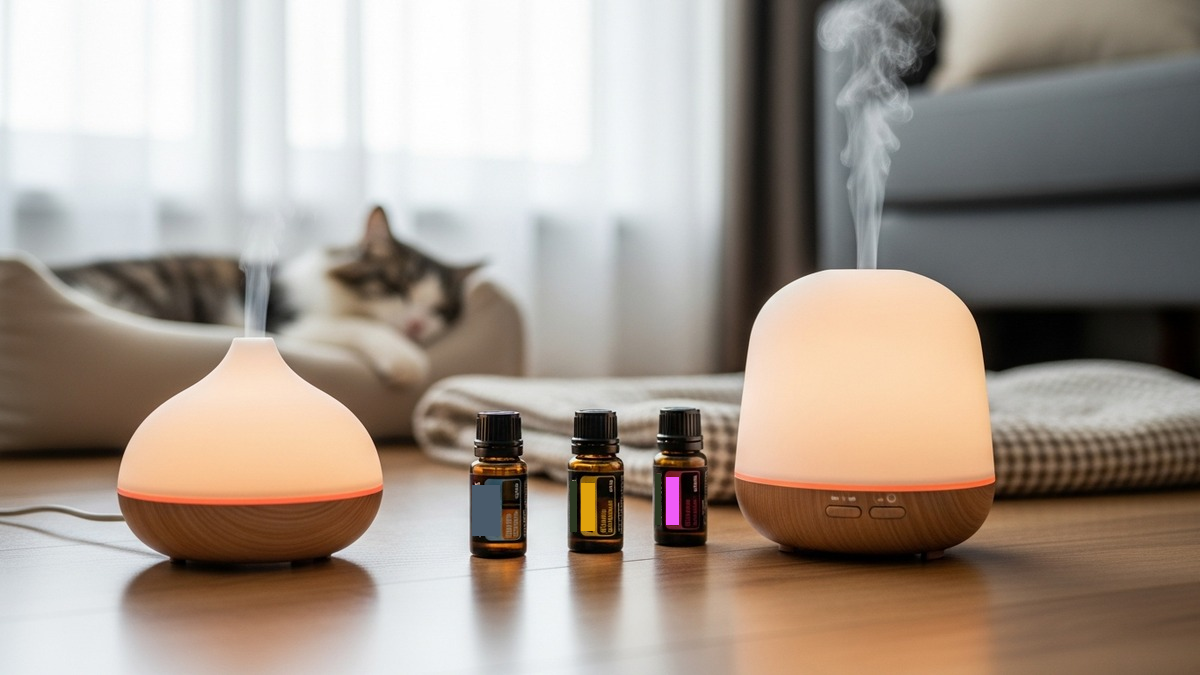
Aromatherapy, with its aromatic and concentrated essential oils, has increasingly become a popular natural alternative for human well-being in many households. These plant extracts are credited with various therapeutic properties, from stress and anxiety relief to supporting physical conditions, and their popularity continues to grow. However, when incorporating aromatherapy into daily life, it's crucial to consider all household members, especially our beloved pets, who have distinct physiologies and sensitivities compared to humans.
The presence of dogs and cats in an essential oil environment demands a cautious and informed approach. What proves beneficial and safe for humans can be detrimental, or even toxic, to domestic animals due to their metabolic differences and how they interact with their surroundings. This article aims to guide pet owners on the essential care needed to ensure aromatherapy is used responsibly and safely, preventing inappropriate exposure and safeguarding pet health at home.
Properties and Composition
Key Chemical Components
Essential oils are composed of hundreds of volatile organic molecules, such as terpenes, esters, phenols, aldehydes, and ketones, which give each oil its unique fragrance and therapeutic properties. The complexity of this chemical composition dictates how an oil acts in the body. For instance, monoterpenes like limonene (found in citrus essential oils) and phenols like eugenol (clove) are very common and potent. However, these components, while safe for humans in appropriate dilutions, pose high risks of toxicity for pets, especially cats, who lack certain liver enzymes needed to properly metabolize them. Understanding these components is crucial for assessing aromatherapy safety in a pet household.
Proven Therapeutic Properties
For humans, the therapeutic properties of essential oils are widely explored. There are essential oils with anti-inflammatory, analgesic, antimicrobial, relaxing, stimulating, and expectorant actions, among others. Lavender is known for its calming properties, eucalyptus for respiratory support, and peppermint for aiding digestion and headaches. These properties are attributed to the chemical components' ability to interact with the human nervous, endocrine, and immune systems. However, it's vital to reiterate that these properties do not automatically translate into safe or suitable benefits for domestic animals, and what is beneficial for us can have adverse effects on them.
Benefits and Applications
Physical Health Benefits
For humans, aromatherapy can offer various physical benefits. Some essential oils may be used to alleviate muscle and joint pain, support recovery from colds and flu, improve skin health, and even aid digestion. Diluted topical application or inhalation can be effective for these purposes, contributing to an overall sense of well-being. However, it's vital that when seeking these benefits for themselves, pet owners remain aware of their pets' proximity and the potential routes of inappropriate exposure that could impact animal health.
Mental and Emotional Health Benefits
In the realm of mental and emotional health, aromatherapy is widely used to reduce stress, anxiety, improve mood, and induce more restorative sleep. Oils like lavender, bergamot, and Roman chamomile are popular for their anxiolytic and sedative properties, contributing to a more peaceful and welcoming environment. For pet owners, creating a sanctuary of calm is desirable, but this well-being must not compromise the safety of dogs and cats. The way essential oils are introduced and diffused into the home must be carefully managed to protect pets' olfactory and metabolic sensitivities.
Methods of Use
Aromatic Diffusion
Aromatic diffusion is one of the most popular ways to use essential oils, creating a fragrant and therapeutically active environment. Various types of diffusers exist, such as ultrasonic (which disperse a fine mist), nebulizing (which atomize pure oil), and heat diffusers (which evaporate the oil). While effective for humans, diffusion requires extra caution in the presence of pets. Prolonged inhalation or high concentrations in the air can be irritating to animal respiratory tracts, and for cats, oil particles can settle on their fur and be ingested during grooming, leading to toxicity.
Topical Application (Massage and Baths)
The topical application of essential oils, typically diluted in carrier oils, is a common practice for massages, therapeutic baths, and skin care in humans. Correct dilution is crucial to prevent skin irritations and sensitivity. However, this method of use is particularly risky with pets. Animal skin is thinner and more permeable in some areas, and licking after application can lead to accidental ingestion. Oils that would be safe for human skin can be extremely dangerous if absorbed or ingested by dogs and cats, whose detoxification systems differ. Never apply pure or diluted essential oils directly to your pets without veterinary guidance.
Direct Inhalation
Direct inhalation, such as smelling the oil directly from the bottle or from a tissue, is a quick way for humans to experience the benefits of essential oils. It offers direct control over the intensity and duration of exposure. For pet owners, this can be a safer alternative for personal use, as it minimizes the dispersion of particles into the environment. Even so, it's important to do so away from animals and ensure the bottle is closed and stored immediately after use to prevent curiosity and accidental ingestion by pets.
Safety Warnings and Precautions
Safety is paramount when it comes to aromatherapy in a pet household. Animals like dogs and cats have a different animal metabolism than humans, making them much more sensitive to the chemical components of essential oils. Cats, in particular, have a deficiency in a liver enzyme (glucuronosyltransferase) that is essential for metabolizing phenolic compounds, ketones, and monoterpenes, making them highly susceptible to toxicity and the accumulation of these substances in their bodies. Furthermore, their sense of smell is far more acute, and inappropriate exposure can cause respiratory irritation and stress.
Essential oils to be avoided or used with extreme caution in a pet household include, but are not limited to: Tea Tree (Melaleuca), Cinnamon, Clove, Anise, Birch, Maple, Wintergreen, Peppermint, Thyme, Oregano, citrus oils (lemon, orange, bergamot, grapefruit – especially due to limonene content), Pine, Cedar, Eucalyptus, and Lavender (in certain concentrations and applications). Avoid diffusing these oils, or if it's unavoidable for your personal use, ensure it's in a closed room with adequate ventilation, and that your pets do not have access to the area.
When using a diffuser, ventilation is crucial. Use it in open areas and for short periods (a maximum of 15-20 minutes, 2-3 times a day). Always offer your pets an easy escape route to another room where they can retreat from the aroma if they wish. Never diffuse oils in enclosed spaces with animals. Accidental ingestion of essential oils from licking fur (especially for cats who constantly groom themselves) or the floor can be dangerous. Keep bottles out of reach of animals. In case of any signs of toxicity (vomiting, lethargy, respiratory distress, tremors, excessive salivation), seek a veterinarian immediately.
For pregnant or nursing individuals, young children, and those with sensitive skin, essential oils also require specific care. Always consult a healthcare professional before use and perform a patch test for sensitive skin. Proper dilution is key to safety in all these situations.
It is crucial to consult a doctor, veterinarian, or qualified aromatherapist before starting any essential oil treatment, especially in the presence of pre-existing health conditions, pregnancy, lactation, or pets. The information presented here is for educational purposes only and does not replace professional advice.
Combinations and Synergies
Complementary Essential Oils
For humans, the art of aromatherapy often lies in combining complementary essential oils to create synergies that enhance their therapeutic effects. For example, lavender can be combined with Roman chamomile to deepen relaxation, or lemon with peppermint for an energizing and stimulating effect. The choice of essential oils for a synergy depends on the desired objective and the compatibility of aromas and properties. However, when formulating any blend for personal use in a pet household, animal safety must always be the priority. This means selecting essential oils that, even if not recommended for pets, present a lower risk of volatility and persistence in the air, and always using them with extreme moderation and adequate ventilation.
Ideal Carrier Oils
Ideal carrier oils are fundamental in aromatherapy, acting as vehicles to dilute concentrated essential oils before topical application. They help prevent skin irritations and slow the evaporation of oils, allowing for more gradual and safe absorption. Common examples include fractionated coconut oil, jojoba oil, sweet almond oil, and grapeseed oil. For pet owners, when using essential oils topically on themselves, it's crucial to use high-quality carrier oils and ensure proper dilution is always performed. Furthermore, make sure the skin where the oil was applied is not accessible to pets for licking, thereby preventing accidental ingestion or inappropriate exposure.
Final Considerations
Aromatherapy offers a vast array of possibilities to promote the well-being and health of pet owners, but its application in a pet household demands a highly conscious and responsible approach. The physiological differences in dogs and cats make them particularly vulnerable to the toxicity of many essential oils, especially when exposed to high concentrations, for prolonged periods, or through accidental ingestion. The key to harmonious and safe coexistence is information and precaution.
Always prioritize the safety of your four-legged companions. Opt for aromatic diffusion in well-ventilated areas and for short periods, ensure pets always have an escape route to an aroma-free environment, and never apply essential oils directly to your animals without the guidance of a veterinarian specializing in aromatherapy. Keeping bottles stored away and performing proper dilution for personal use are simple yet effective measures. Remember, animal well-being and your family's health include the safety of all its members, including those with paws. When in doubt, always seek the advice of a qualified professional.