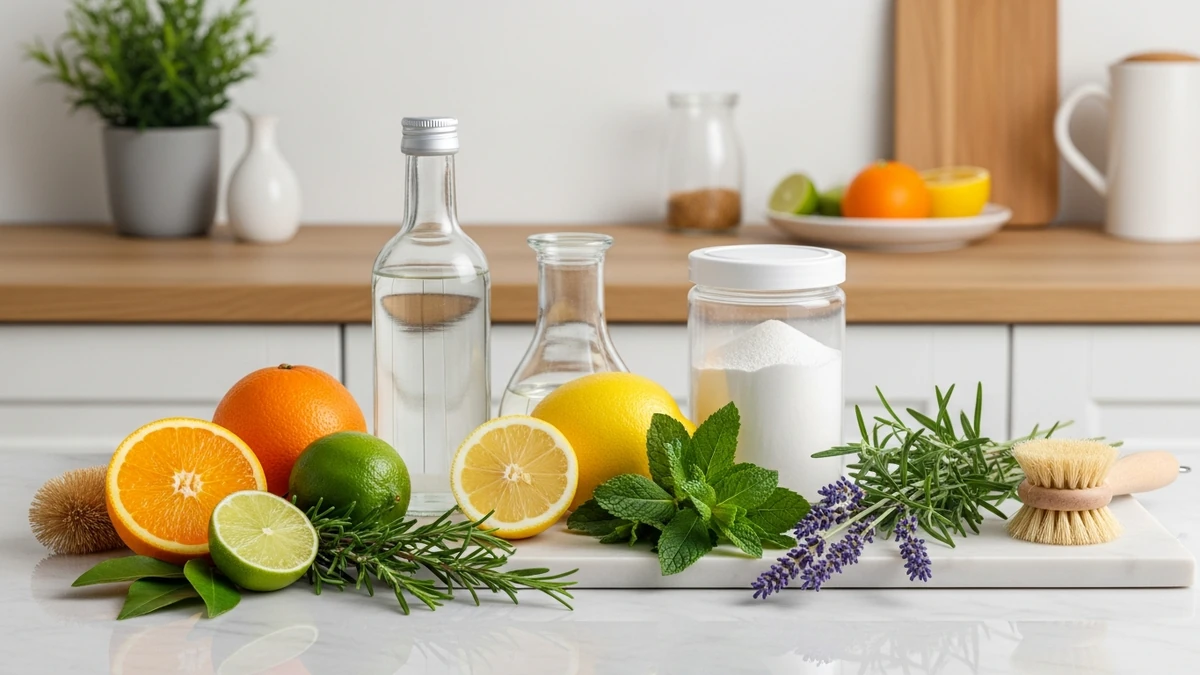
Our home, our sanctuary, deserves to be clean and inviting. However, many industrial cleaning products contain harsh chemicals that can be detrimental to our health and the environment. Fortunately, nature offers powerful alternatives. Integrating natural aromas, especially essential oils, into your home cleaning routine is an effective and sustainable way to maintain household hygiene.
This guide explores how to transform your cleaning practices using home aromatherapy to disinfect, purify, and naturally scent your space. We'll delve into the properties of these natural compounds, their wellness benefits, and best practices for safe and intelligent use, creating an environment that is not just clean, but also balanced and pleasant.
Properties and Composition
Essential oils are concentrated plant extracts, prized for their fragrances and complex therapeutic properties. In the context of natural cleaning, they stand out as powerful antiseptic, antibacterial, antiviral, and fungicidal agents, offering a natural alternative to synthetic chemicals in household hygiene.
Key Chemical Components
The effectiveness of essential oils stems from their rich chemistry, featuring molecules like terpenes, aldehydes, and phenols. Limonene, found in citrus oils like lemon and orange, acts as a degreaser and provides an invigorating scent. Terpinen-4-ol, from Melaleuca (Tea Tree), is a potent antimicrobial. Eucalyptol, from eucalyptus, is an effective disinfectant. Understanding these components helps in selecting the right oils for each natural cleaning task.
Proven Therapeutic Properties
Beyond their captivating scents, essential oils possess therapeutic properties beneficial for eco-friendly cleaning. Their antiseptic and bactericidal actions combat germs on surfaces. Oils like thyme and oregano are strong antimicrobials. Lavender and chamomile offer calming effects, while pine and cedarwood can deter insects. Utilizing these natural aromas not only cleans your home but also provides indirect therapeutic benefits.
Benefits and Applications
Integrating natural aromas into home cleaning is a holistic approach that positively impacts both the environment and its inhabitants, extending from physical health to mental well-being.
Benefits for Physical Health
Cleaning with essential oils reduces exposure to toxins found in conventional products, which can trigger allergies and irritations. By choosing natural scents, we minimize these risks, promoting purer indoor air. Oils like lemon and eucalyptus disinfect and purify the air, combating mold and mildew. This is particularly crucial for sensitive individuals, children, and pets. Home aromatherapy contributes to respiratory and dermal health.
Benefits for Mental and Emotional Well-being
The influence of natural aromas on mood is a cornerstone of aromatherapy. A clean environment infused with essential oils can uplift spirits and reduce stress. Lavender promotes relaxation, while rosemary stimulates concentration. Incorporating essential oil blends during or after cleaning transforms the chore into a wellness ritual. Creating a harmonious environment is a powerful way to enhance your quality of life.
Methods of Use
The versatility of essential oils allows for diverse applications in daily home cleaning, optimized for various needs. The key lies in proper dilution and selection.
Aromatic Diffusion
Diffusing essential oils with an ultrasonic diffuser purifies the air and scents your space, eliminating odors and combating airborne pathogens. Use lemon, Tea Tree, eucalyptus, or a purifying blend for 30-60 minutes to keep the air fresh, ideal for living rooms, bedrooms, and especially bathrooms/kitchens. Environmental aromatherapy is vital for both hygiene and well-being.
Surface and Fabric Application
Essential oils can be easily incorporated into cleaning solutions. Create an all-purpose cleaner by adding 10-20 drops of essential oil (such as lemon, Tea Tree, or peppermint) to 250ml (approx. 8.5 oz) of water and white vinegar or rubbing alcohol. Use this mixture on countertops and floors, leveraging their disinfectant properties.
For laundry and fabrics, add a few drops of lavender or Tea Tree essential oil to the rinse cycle to deodorize and disinfect. In closets, place cotton balls with 2-3 drops to provide a fresh scent and deter moths. Always test on an inconspicuous area first to prevent staining.
To complement your cleaning efforts, consider a relaxing post-cleaning bath with 5-10 drops of lavender diluted in a carrier oil or liquid soap, or massages with rosemary to soothe tension, integrating personal well-being into your cleaning routine.
Indirect and Direct Inhalation for Well-being
Inhaling natural aromas offers quick wellness benefits. For a boost of focus or energy during cleaning, place 1-2 drops of lemon, peppermint, or rosemary on a tissue and inhale. This can combat fatigue and uplift your mood.
For indirect inhalation, such as deodorizing small spaces, add drops of pine or eucalyptus to hot water to create aromatic vapors that refresh closets or pantries. It's a simple way to incorporate natural aromas daily.
Safety Warnings and Precautions
Using essential oils in home cleaning is safe when practiced with caution. Their high concentration requires knowledge to prevent potential irritations.
- Dilution: Always dilute: 10-20 drops per 250ml (approx. 8.5 oz) of base (water, alcohol, vinegar).
- Sensitive Skin: Wear gloves when handling solutions containing strong oils (citrus, phenols).
- Children and Pets: Keep out of reach. Some oils are toxic to animals. Avoid excessive diffusion, always ensuring pets have an exit. Young children are sensitive; use mild oils (lavender) in low concentrations.
- Pregnancy and Lactation: Consult a healthcare professional before use, even for cleaning purposes.
- Delicate Surfaces: Always test on an inconspicuous area to prevent staining.
- Ventilation: Keep rooms well-ventilated when using diffusers.
It's important to remember that the information in this article is for educational purposes only and does not replace advice from a qualified healthcare professional. If you have any doubts about the use of essential oils, always seek professional guidance.
Combinations and Synergies
Aromatherapy and natural cleaning allow for combining essential oils to create potent synergies. Choosing complementary oils and ideal carrier oils is crucial.
Complementary Essential Oils
Create essential oil blends to optimize cleaning power and aroma: * Disinfect and purify: Tea Tree + Lemon + Eucalyptus (for bathrooms and kitchens). * Freshness and energy: Peppermint + Lemon or Sweet Orange (for living rooms and home offices). * Post-cleaning relaxation: Lavender + Sweet Orange or Bergamot (for a calm environment). * Insect repellent: Citronella + Lemongrass + Geranium. * Mold/Mildew: Clove and Cinnamon (use sparingly) or Tea Tree. These combinations enrich the experience and enhance cleaning power.
Ideal Carrier Oils
For surface cleaning, water, alcohol, or vinegar are the primary diluents. However, carrier oils are vital for diluting essential oils when there's a risk of skin contact or for certain formulations (like wood polishes). They reduce potency and prevent irritation.
- Fractionated Coconut Oil: Light and odorless, excellent for diluting in sprays that may come into contact with hands.
- Jojoba Oil: Ideal for wood polishes, it nourishes and adds shine.
- Sweet Almond Oil: Versatile for oil-based cleaning recipes, such as leather cleaners.
Always dilute essential oils in a carrier oil before applying them in formulations that might touch skin or frequently handled surfaces, ensuring both safety and efficacy.
Final Considerations
Using natural aromas in home cleaning is more than just an ecological choice; it's an investment in family well-being. By replacing harsh chemicals with essential oils, you create a safer, toxin-free environment enriched with nature's therapeutic benefits. Home aromatherapy is a journey of discovery. Experiment with different essential oils and blends to achieve an impeccable, harmonious, and revitalizing space. Start today and feel the difference that natural cleaning can make.