Aromatherapy has increasingly found its way into homes, and essential oil diffusers are the perfect tools to bring the benefits of essential oils into daily life. However, to ensure an effective and safe experience, it's crucial to understand the best practices for their use, from ideal operating time to the quantity of essential oil to be utilized. Correct usage maximizes therapeutic effects and prevents waste or oversaturation of the environment.
This guide aims to demystify the use of home diffusers, offering clear and objective information on how to integrate them harmoniously and beneficially into your routine. We will cover the characteristics that make essential oils ideal for diffusion, the various benefits they can provide, and, crucially, the necessary precautions for conscious and responsible use, ensuring the well-being of everyone in your home.
Properties and Composition
When we talk about essential oil diffusers, we are essentially facilitating the dispersion of essential oils into the air. To understand the impact and therapeutic properties they offer, it's vital to know the volatile nature and complex composition of these plant extracts. The efficacy of diffusion directly depends on the purity and integrity of the chosen oils, which interact with the environment and our olfactory system in profound ways.
Key Chemical Components
Essential oils are complex mixtures of hundreds of chemical components, such as terpenes (monoterpenes, sesquiterpenes), esters, aldehydes, ketones, phenols, and oxides. Each of these chemical groups contributes to the aromatic characteristics and, most importantly, to the proven therapeutic properties of the oil. For example, monoterpenes like limonene (found in citrus oils) are known for their energizing and air-purifying properties, while esters, such as linalyl acetate (found in lavender), promote relaxation. The volatility of these components is what allows them to be easily diffused into the air by aromatherapy diffusers, making them accessible for inhalation.
Proven Therapeutic Properties
Essential oils, when diffused correctly, can offer an impressive range of therapeutic properties. Many exhibit antimicrobial, antiviral, and antifungal actions, contributing to air purification and the creation of a healthier environment. Furthermore, aromatic molecules interact with the limbic system, the brain's center for emotions and memory. This allows oils like lavender to help calm the mind, peppermint to enhance focus and energy, and eucalyptus to promote respiratory health. It is this interaction that makes aromatherapy a powerful tool for physical and mental well-being through diffusers.
Benefits and Applications
The use of essential oil diffusers goes far beyond simply scenting your home. It represents a gateway to a series of health and wellness benefits, transforming spaces and moods. The choice of essential oils and how they are diffused allows for a personalized experience to meet specific needs, from creating a relaxation sanctuary to a more productive workspace.
Benefits for Physical Health
In terms of physical health, diffusing essential oils can be a significant ally. Oils like eucalyptus, tea tree, and peppermint are frequently used to support respiratory health, helping to decongest airways, especially during colds or allergy seasons. The relaxation provided by oils like lavender or Roman chamomile can contribute to improved sleep quality, inducing deeper, more restorative rest. Additionally, some oils possess air-purifying properties, combating microorganisms and undesirable odors, creating a cleaner and fresher environment, which aligns with using natural aromas in daily home cleaning.
Benefits for Mental and Emotional Health
Aromatherapy has a notable impact on mental and emotional health. Citrus oils like sweet orange and bergamot are known to uplift mood and reduce anxiety. Lavender is a classic for stress relief and promoting calm. To enhance focus and concentration in environments like a home office, oils such as rosemary and peppermint are excellent choices, aiding in mental clarity and reducing fatigue. The ability of diffusers to create a continuous olfactory atmosphere allows for gentle and consistent modulation of emotional states, fostering a sense of well-being and balance throughout the day.
Methods of Use
Essential oil diffusers are the most popular and convenient way to enjoy the benefits of aromatherapy at home. However, it's important to understand that while diffusion is the focus of this article, essential oils have other application methods, each with its unique characteristics. Addressing these distinctions helps contextualize the potency and purpose of diffusers.
Aromatic Diffusion
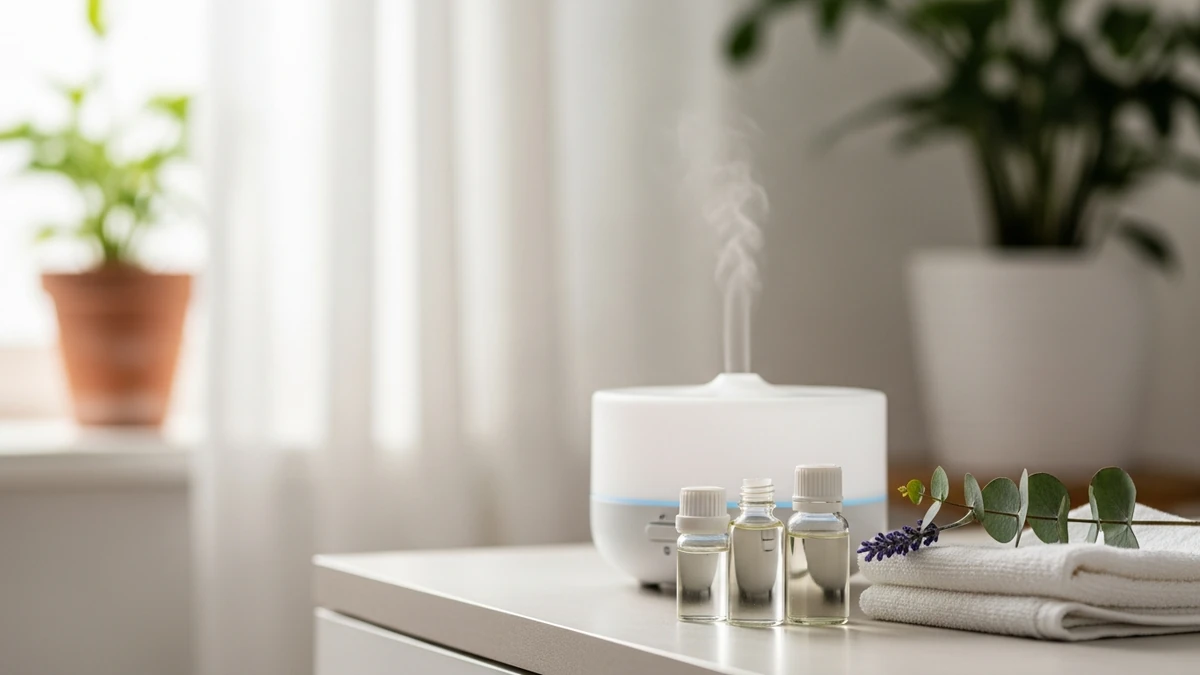
Aromatic diffusion is the primary method for scenting your home with essential oils and enjoying their therapeutic effects in the environment. There are various types of diffusers: ultrasonic diffusers, which use water and vibrations to create a fine mist; nebulizing diffusers, which disperse pure oil without water; heat diffusers, which gently warm the oil; and passive diffusers (like reeds or stones), which allow natural evaporation. For most ultrasonic diffusers, which are the most common, best practices recommend:
- Usage Time: Start with 15 to 30 minutes, then pause for 30 to 60 minutes. Continuous diffusion for long periods (more than 2 hours) can oversaturate the environment, desensitize your sense of smell, and in some cases, cause irritation. Intermittent diffusion is ideal, allowing both your body and the room to rest.
- Essential Oil Quantity: For an average room (approximately 20m² or 215 sq ft), 3 to 5 drops of essential oil are generally sufficient in an ultrasonic diffuser with 100-150ml of water. For larger spaces, you may increase to 6 to 8 drops, always with moderation. Less is often more in aromatherapy; a subtle, noticeable aroma is more effective than a strong, excessive scent.
- Best Practices: Always use pure essential oils from reputable sources. Keep your diffuser clean, following the manufacturer's instructions to prevent residue buildup that can compromise its function and diffusion quality. Place the diffuser on a flat, stable surface, out of reach of children and pets. Ventilate the room regularly to refresh the air.
Topical Application (Massage and Baths)
While diffusers act on the air, topical application involves diluting essential oils in an ideal carrier oil (such as jojoba, sweet almond, or coconut) and applying them directly to the skin. This method is ideal for therapeutic massages, localized muscle pain relief, skincare, or for relaxing aromatic baths. Although the aroma is inhaled during topical application, the main focus is the absorption of chemical components through the skin for systemic or local effects. Proper dilution is crucial to prevent skin irritation, making it an alternative to diffusers when a more body-focused effect is desired.
Direct Inhalation
For a rapid and intense effect, direct inhalation is an option. This can be done by placing a drop of essential oil on a tissue and inhaling, or by using personal inhalers. This method is particularly useful for immediate relief of respiratory symptoms or for a quick mood or focus boost. Unlike environmental diffusion, which creates a continuous aromatic atmosphere, direct inhalation is a targeted and concentrated intervention, not intended to scent the entire home. It is an effective way to use oils for specific personal benefits without impacting the air of the whole room.
Safety Warnings and Precautions
The safe use of essential oil diffusers and essential oils is paramount to reaping their benefits without risks. Aromatherapy is powerful, and like any concentrated substance, essential oils require respect and knowledge in their handling. A lack of attention to these precautions can lead to adverse reactions for both humans and pets.
- Pregnancy and Lactation: Pregnant or breastfeeding women should always consult a doctor or qualified aromatherapist before using essential oils, even via diffusion. Some oils may be contraindicated due to the risk of uterine stimulation or transfer into breast milk. Moderation and the choice of gentle oils (like lavender in low concentrations) are essential.
- Children: Diffusion for children must be done with extreme caution and in very low concentrations. Never use oils like eucalyptus globulus or peppermint near the faces of young children (under 6 years old) due to the risk of respiratory issues. Opt for gentle oils like lavender, Roman chamomile, or sweet orange, and use intermittent diffusion in a well-ventilated room, always under supervision.
- Sensitive Skin and Allergies: While diffusion is less likely to cause skin reactions than topical application, the mist can irritate sensitive skin or eyes in some individuals. If there's a history of allergies or fragrance sensitivity, start with very low concentrations and observe any reactions. In case of irritation, discontinue use and ventilate the room.
- Pets (Animals): Dogs, cats, and birds are particularly sensitive to essential oils. Cats, for example, lack a liver enzyme necessary to metabolize many oil compounds, making them highly vulnerable. Avoid diffusing oils near animals, especially in enclosed spaces. If you do use them, ensure they always have an escape route to an unscented area and carefully observe any signs of discomfort (sneezing, excessive drooling, lethargy, respiratory distress). Oils like tea tree and wintergreen are especially toxic to animals. Diffusion should be done with extreme prudence and at very low concentrations when pets are in the home, preferring pet-safe essential oils if truly necessary, after research and veterinary consultation.
- Pre-existing Medical Conditions: Individuals with asthma, epilepsy, high blood pressure, chronic respiratory problems, or other health conditions should consult a healthcare professional before using essential oils via diffusion. Some oils may interact with medications or aggravate certain conditions.
Remember: The information contained in this article is for educational purposes only and does not replace professional medical advice. Always consult a doctor or qualified aromatherapist for personalized guidance on the use of essential oils, especially if you have pre-existing health conditions, are pregnant, breastfeeding, or dealing with children and pets.
Blends and Synergies
The true art of aromatherapy in home diffusers lies in the ability to create aromatic blends that not only scent your home but also enhance the therapeutic benefits of essential oils. The synergy between different oils can result in more potent and balanced effects than using single oils, addressing multiple needs simultaneously, such as seeking relaxation and air purification.
Essential Oil Blends for Different Rooms
Creating aromatic blends for different spaces and purposes is one of the most rewarding parts of aromatherapy. Here are some suggestions for complementary essential oil blends for your home environment:
- For the Living Room (Relaxation and Coziness): Lavender (relaxing), Sweet Orange (mood uplifting), Cedarwood or Sandalwood (grounding and comfort). This combination fosters a warm and inviting atmosphere, ideal for hosting guests or simply unwinding after a long day.
- For the Bedroom (Restorative Sleep): Lavender (sleep-inducing), Roman Chamomile (deeply calming), Vetiver (grounding, to quiet the mind). A perfect blend to create a sanctuary of tranquility, facilitating falling asleep and improving sleep quality.
- For the Home Office (Focus and Productivity): Rosemary (mental stimulant), Lemon (clarity and energy), Peppermint (concentration). This synergy helps keep the mind alert, reduce mental fatigue, and improve productivity during work or study. It's a great way to use natural aromas daily to boost efficiency.
- For Kitchen/Cleaning (Purification and Freshness): Lemon (purifying, deodorizing), Tea Tree (antimicrobial), Eucalyptus (freshness). Ideal for neutralizing odors and creating a sense of cleanliness and freshness after meals or during home cleaning. It's an effective way to use aromatherapy for home cleaning.
- For Closets and Fabrics (Aromatherapy for Linens): Sweet Orange (joyful), Geranium (balancing), Eucalyptus (freshness). Instead of diffusing directly into closets, a few drops on cotton balls or fabric sachets can be used, avoiding direct contact of the oil with clothes. This is an important consideration for aromatherapy for clothes, closets, and fabrics.
Experiment with different proportions, starting with 1-2 drops of each oil within the total recommended quantity for your diffuser, adjusting according to your preference and the room's response.
Ideal Carrier Oils
In the context of essential oil diffusers, the discussion about ideal carrier oils is slightly different from topical application. For most ultrasonic diffusers, water acts as the diluent or dispersal medium, rather than a carrier oil which is typically used for skin application.