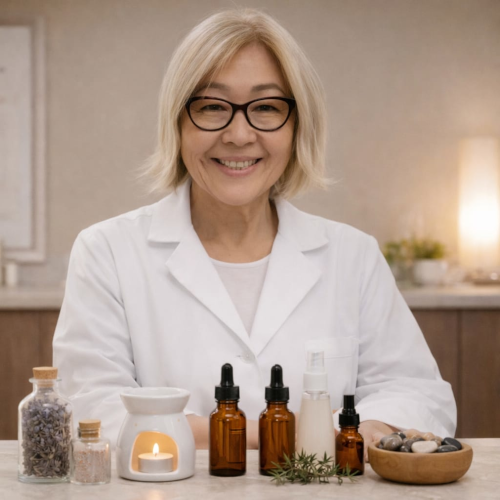

The fragrance of a space undeniably shapes our emotions, evokes memories, and directly influences our physical and mental well-being. In the realm of aromatherapy, this ancient and natural science meets the art of blending, allowing each area of our home to become an olfactory sanctuary, carefully crafted to serve specific purposes. Whether for welcoming guests in the living room, calming the mind in the bedroom, or enhancing focus in the home office, aromatic blends with essential oils are powerful tools for creating personalized and beneficial atmospheres.
This guide has been carefully crafted to unveil the secrets of aromatic combinations, offering a technical and practical overview of how to integrate essential oils effectively and safely into your daily life. We will explore the properties that make each oil unique, their proven benefits, and best usage practices, always with the goal of promoting a rich and conscious olfactory experience for all family members, including important warnings for sensitive groups.
Properties and Composition
Essential oils are highly concentrated plant extracts, containing volatile chemical compounds that give them their aroma and therapeutic properties. Obtained by steam distillation, cold pressing, or solvent extraction, these aromatic liquids are the "soul" of the plant, encapsulating its vital essence and its ability to interact with our physiological and emotional systems.
Key Chemical Components
The complexity of essential oils lies in their chemical composition, which can include hundreds of different molecules. The main chemical groups found are: terpenes (such as monoterpenes and sesquiterpenes), esters, aldehydes, ketones, phenols, alcohols, and oxides. For example, linalool (an alcohol) in Lavender provides its relaxing properties, while limonene (a monoterpene) in citrus oils like Lemon is energizing and purifying. The synergistic interaction of these components defines the unique therapeutic profile of each oil. The purity and origin of essential oils are crucial, as adulteration compromises both the aroma and the desired properties.
Proven Therapeutic Properties
The therapeutic properties of essential oils are vast and scientifically investigated. They can be: anti-inflammatory (like Copaiba and Frankincense), antimicrobial and antiseptic (Tea Tree, Oregano), analgesic (Peppermint, Marjoram), relaxing and sedative (Lavender, Roman Chamomile), stimulating and energizing (Lemon, Rosemary), anti-depressant (Bergamot, Geranium), and expectorant (Eucalyptus, Cardamom). These properties, when applied correctly, can significantly impact overall well-being, from improving indoor air quality to providing emotional support.
Benefits and Applications
Aromatherapy offers a range of benefits that span physical and mental health, becoming a valuable ally in creating spaces that nourish the body and mind. Integrating aromatic blends into your home means investing in an environment that breathes vitality and balance.
Physical Health Benefits
Physically, essential oils can contribute to air purification, eliminating pathogens and improving respiratory quality, especially with oils like Eucalyptus and Tea Tree. They can act as immune support, helping the body fight infections. Oils with analgesic and anti-inflammatory properties, such as Copaiba or Marjoram, can be useful for relieving minor muscle tension when applied topically and diluted. The diffusion of certain oils can also aid in insect repellency, contributing to a more pleasant and healthy environment in the living room and bedroom.
Mental and Emotional Health Benefits
It is in the mental and emotional sphere that aromatherapy reveals one of its greatest potentials. For the living room, essential oils like Sweet Orange and Geranium can create an atmosphere of joy and warmth, ideal for socialization and relaxation. In the bedroom, Lavender and Roman Chamomile are unbeatable for promoting restorative sleep and reducing anxiety. In the home office, Lemon, Rosemary, and Peppermint are known for enhancing focus, concentration, and productivity, combating mental fatigue. The ability of aromas to modulate mood and reduce stress is one of the pillars of well-being that aromatherapy can provide.
Methods of Use
The effectiveness of aromatic blends depends directly on how they are used. Understanding the different approaches allows for maximizing the benefits of essential oils for each environment and specific need.
Aromatic Diffusion
Diffusion is the most popular and safest way to scent environments like the living room, bedroom, and home office. Ultrasonic diffusers disperse a fine mist of water and essential oils into the air without heating them, preserving their therapeutic properties. For the living room, diffuse for 30-60 minutes, pause, and repeat if necessary, aiming for an inviting aroma. In the bedroom, 15-30 minutes before bedtime or during the first 30 minutes of sleep may be sufficient to promote relaxation without overwhelming the senses. In the home office, intermittent diffusion (30 minutes on, 30 off) can keep the environment stimulating and focused without causing olfactory fatigue. Always use the minimum effective amount of drops (typically 3-5 for an average-sized room) and ensure good ventilation.
Topical Application (Massage and Baths)
Topical application involves diluting essential oils in a carrier oil (such as fractionated coconut oil, jojoba, or sweet almond oil) and applying them to the skin. This method is excellent for deeper relaxation or localized relief. For a soothing bath, add 5-10 drops of essential oil diluted in a carrier oil (or Epsom salts, honey, milk) to warm water for a calming effect on the body and mind, ideal after a long day in the home office. For a relaxing massage, 2-3 drops of essential oil per tablespoon of carrier oil is a good ratio. This form of use is more personal and complements environmental diffusion, especially for a pre-sleep routine in the bedroom.
Direct Inhalation
Direct inhalation is a quick and effective way to gain the benefits of essential oils, especially for relieving acute stress or boosting focus momentarily. You can place 1-2 drops of essential oil on a tissue or cotton ball and inhale gently, or use a personal pocket inhaler. This technique is particularly useful in the home office for moments of creative block or for a quick burst of energy. Direct inhalation allows aromatic molecules to quickly reach the limbic system, which is responsible for emotions and memory, providing an immediate response.
Safety Warnings and Precautions
Safe use of essential oils is paramount. Although natural, they are potent substances that demand respect and knowledge. Proper dilution is key to preventing adverse skin reactions, and oil quality is fundamental. Always opt for pure, therapeutic-grade essential oils.
- Pregnancy and Lactation: Many women seek natural alternatives, but the use of essential oils during pregnancy and lactation requires extreme caution and preferably the guidance of a qualified healthcare professional. Some oils are categorically discouraged (e.g., Clary Sage, Rosemary, Cinnamon). For diffusion, use very low concentrations for short periods, always in a well-ventilated area.
- Children: Children's skin is more sensitive, and their system is developing. Dilution for topical use should be significantly lower (0.5% to 1%), and only gentle oils are recommended (e.g., Lavender, Roman Chamomile). Diffusion should be intermittent and in spacious environments, avoiding use in infants without guidance. Keep essential oils out of reach of children.
- Sensitive Skin: Always perform a patch test (apply a small diluted amount to the skin and wait 24 hours) before applying an essential oil to a larger area. Some oils, such as citrus oils, are phototoxic and can cause stains or burns if the skin is exposed to the sun after application. Avoid using dermocaustic oils in high concentrations.
- Pets: Pets, especially cats, are very sensitive to essential oils. Avoid prolonged diffusion in enclosed spaces with animals. Never apply essential oils directly to pets without the guidance of a veterinarian specialized in veterinary aromatherapy. Keep diffusers in locations where animals cannot access them and ensure they always have an escape route to an unscented environment.
- The information contained in this article is for educational purposes only and does not replace professional medical advice. Always consult a specialist before starting any treatment with essential oils, especially in cases of pregnancy, lactation, pre-existing medical conditions, or use in children and pets.
Combinations and Synergies
The true art of aromatherapy lies in the ability to combine essential oils to create synergies that amplify their benefits and result in unique and engaging aromas. The choice of oils and proportions is crucial for the success of your aromatic blends for the living room, bedroom, and home office.
Complementary Essential Oils
-
For the Living Room (Welcoming and Lightness): Aim to create an inviting atmosphere. Combine Sweet Orange (joy, lightness), Geranium (emotional balance, floral), Sandalwood (grounding, well-being), and a touch of Peppermint (freshness, air purification). Another option is Bergamot (joy, clarity), Basil (focus, muscle relaxation), and Cypress (purification, grounding). The proportion can be: 3 drops of Orange, 2 of Geranium, 1 of Sandalwood. Or 3 of Bergamot, 2 of Basil, 1 of Cypress. These blends aim to create a pleasant environment for conversations and relaxation.
-
For the Bedroom (Relaxation and Deep Sleep): The goal is to calm the mind and body for restorative sleep. The classic combination is Lavender (universal relaxation), Roman Chamomile (calms the mind, reduces anxiety), and Cedarwood (grounding, sense of security). Another effective synergy involves Vetiver (grounding, relieves stress), Petitgrain (relaxation, eases insomnia), and a drop of Ylang Ylang (reduces stress, mild aphrodisiac). Start with: 3 drops of Lavender, 2 of Roman Chamomile, 1 of Cedarwood. Or 3 of Vetiver, 2 of Petitgrain, 1 of Ylang Ylang. For even greater relaxation, a touch of Marjoram can be added.
-
For the Home Office (Focus and Productivity): Increase mental clarity and energy without causing agitation. The best choices include Lemon (stimulating, purifying), Peppermint (focus, clarity, alleviates fatigue), and Rosemary (memory, concentration, energy). A powerful alternative is Litsea Cubeba (optimism, focus), Ginger (energy, clarity), and Eucalyptus (respiratory, clears the mind). Suggested proportion: 3 drops of Lemon, 2 of Peppermint, 1 of Rosemary. Or 3 of Litsea, 2 of Ginger, 1 of Eucalyptus. These essential oils are ideal for combating mental fatigue and maintaining attention on tasks.
Ideal Carrier Oils
For topical application, the choice of carrier oil is as important as that of the essential oil. They serve to dilute essential oils, preventing skin irritations, and also help to deliver them for better absorption. The most recommended are:
- Jojoba Oil: Technically a liquid wax, very similar to the human skin's natural sebum, making it excellent for all skin types, including oily or acne-prone. It does not clog pores and has a long shelf life. Ideal for facial and body massages.
- Sweet Almond Oil: Light, nourishing, and mild, it is widely used for massages and skin hydration. Rich in vitamins A and E, it is excellent for dry and sensitive skin, including children's.
- Fractionated Coconut Oil (MCT): Light, non-greasy, odorless, and colorless, it is an excellent option because it is easily absorbed by the skin and does not clog pores. Its fractionated nature means it remains liquid at room temperature, making it practical for daily use. Ideal for preparing roll-ons and personal diffusion blends.
Always dilute essential oils to a safe ratio: for adults, a 1-3% dilution is generally suitable for daily use (e.g., 6 to 18 drops of essential oil in 30ml of carrier oil).
Final Considerations
Aromatherapy is a sublime tool for enhancing well-being in your home, allowing you to create unique and beneficial atmospheres in every room. By mastering the art of aromatic blends for the living room, bedroom, and home office, you not only perfume but also nourish the body and mind, promoting relaxation, productivity, and a sense of harmony. Always remember the importance of using high-quality essential oils, following safety guidelines, and respecting the individual needs and sensitivities of all residents, including pets. Explore, experiment, and let the magic of aromas transform your home into a refuge of well-being and balance.