Aromatherapy offers a gateway to wellness and natural health, harnessing the powerful essence of plants. However, for essential oils to reveal their myriad benefits, it's crucial to correctly understand and apply safety principles, especially regarding topical use. Our skin, our largest organ, acts as an absorption pathway, and the way we apply these concentrated compounds can determine both effectiveness and the absence of undesirable reactions.
This detailed guide will address the importance of proper dilution, recommended application frequency, and crucial safety measures to ensure your essential oil journey is not only therapeutic but also safe and comfortable. We will demystify concepts and provide practical information so you can integrate aromatherapy into your routine with confidence and knowledge.
Properties and Composition
Essential oils are highly concentrated substances, extracted from plants, carrying the aromatic and therapeutic characteristics of their botanical origin. Their chemical complexity is key to their properties, but also why caution in their use is imperative.
Key Chemical Components
Each essential oil is an intricate blend of hundreds of volatile chemical components, such as monoterpenes, sesquiterpenes, esters, aldehydes, ketones, phenols, and alcohols. These constituents give the oil its unique properties. For example, limonene in lemon essential oil is responsible for its citrus aroma and stimulating properties, while linalool in lavender contributes to its relaxing effect. The high concentration of these compounds makes essential oils very potent, necessitating dilution before direct skin application to prevent sensitization or irritation.
Proven Therapeutic Properties
Scientific studies and millennia of experience have proven the diverse therapeutic properties of essential oils. Many are recognized for their anti-inflammatory, analgesic, antiseptic, relaxing, and stimulating actions. For topical use, the ability of these components to penetrate the skin and enter the bloodstream is crucial for achieving desired effects. Topical safety is directly linked to the concentration of these components and individual sensitivity, underscoring the importance of starting with low dilutions and performing patch tests.
Benefits and Applications
Topical application of essential oils, when done correctly, can bring a vast range of health benefits, acting locally or systemically, depending on the oil and application area.
Physical Health Benefits
Physically, diluted essential oils can aid in the relief of muscle and joint pain, such as headaches or daily tension, often with oils like peppermint or copaiba. They can also promote skin health, assisting with irritations, inflammation, or simply nourishing and moisturizing, with the help of oils like lavender or tea tree. Application to specific areas can support respiratory function (eucalyptus, peppermint on the chest) or digestive comfort (ginger, peppermint on the abdomen), offering complementary support to wellness routines.
Mental and Emotional Health Benefits
Beyond physical effects, topical application significantly impacts mental and emotional well-being. Oils with relaxing properties, such as lavender and Roman chamomile, can be applied to wrists or the nape of the neck to promote calm and reduce stress and anxiety. Citrus oils, like sweet orange and bergamot, are known to uplift mood and reduce mental fatigue, applied to pulse points for a sense of revitalization. Skin absorption and simultaneous inhalation of aromas contribute to these effects, making topical use a powerful tool for emotional balance.
Forms of Use
The choice of application method depends on the desired objective and the essential oil in question. While the focus is on topical use, it's important to contextualize other forms of application.
Aromatic Diffusion
For environmental and emotional well-being, aromatic diffusion in an ultrasonic diffuser is one of the most popular ways to use essential oils. This method releases micro-particles of the oil into the air, allowing for continuous inhalation and scenting of the environment. It's excellent for promoting relaxation, focus, purifying the air, or simply creating a pleasant atmosphere. While not topical, diffusion indirectly affects overall health and can complement the benefits of topical use.
Topical Application (Massage and Baths)
Topical application is the most direct way to deliver essential oil benefits to a specific body area. Massage is one of the most effective methods, combining the therapeutic effects of the oils with relaxing touch. For massages, dilution in a carrier oil is essential (generally 0.5% to 5% for adults, depending on the oil and condition). Aromatic baths are also excellent for relaxation and tension relief; in this case, oils must be diluted in a dispersing agent (such as Epsom salts, whole milk, or a neutral liquid soap) before adding to bath water. This prevents pure oils from floating on the surface and making direct, concentrated contact with the skin, which can cause irritation. Frequency should be moderate, generally 1-3 times a day, monitoring skin and body reactions.
Direct Inhalation
Direct inhalation of essential oils can be done by placing 1-2 drops on a tissue and inhaling, or using a personal inhaler. This method is quick for relief of nasal congestion, stress, or for an energy boost. While not a direct topical application to the skin, vapors are inhaled and absorbed by mucous membranes, having a rapid systemic effect. Inhalation is generally considered safe but care should be taken with duration and proximity to avoid airway irritation.
Safety Warnings and Precautions
Safety is the cornerstone of aromatherapy. Ignoring precautions can lead to adverse reactions such as skin irritation, phototoxicity, or sensitization. Always use therapeutic-grade essential oils from reputable sources.
Dilution is Crucial: Always dilute essential oils in a carrier oil (such as fractionated coconut oil, jojoba, sweet almond oil) before applying to the skin. The recommended concentration for healthy adults ranges from 0.5% to 5% (1 to 10 drops per teaspoon of carrier oil), depending on the oil and application area. For large areas or prolonged use, stick to lower dilutions. For children, the elderly, and individuals with sensitive skin or health conditions, dilutions should be even lower (0.25% to 1%).
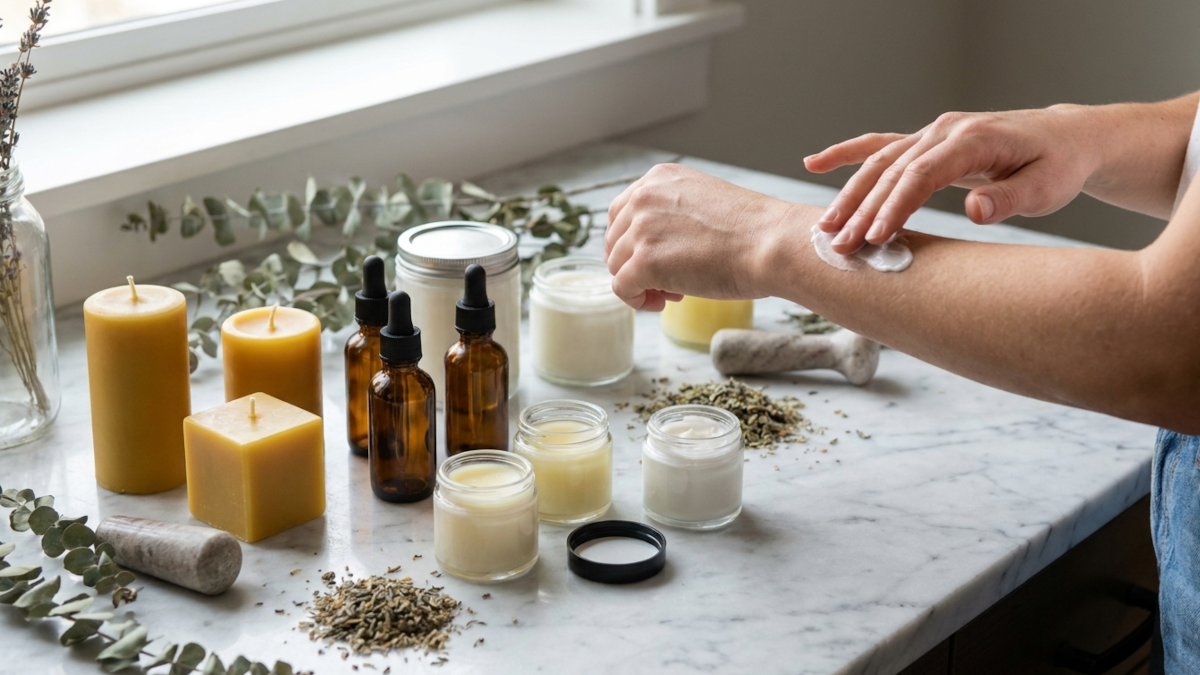
Patch Test: Before applying a new essential oil to a large area, perform a patch test. Apply a small amount of the diluted oil to the inside of your forearm and observe for 24 hours for any adverse reactions.
Sensitive Skin: Individuals with sensitive skin should always use the lowest dilutions and avoid more irritating oils (such as cinnamon, oregano, clove, thyme). Dilution in a carrier oil is even more vital.
Pregnancy and Lactation: During pregnancy and breastfeeding, essential oil use should be done under the guidance of a qualified professional. Many oils are contraindicated or require extremely low dilutions and restricted use to certain trimesters. Avoid oils such as clary sage, rosemary, peppermint (in high concentrations), among others.
Children: For babies and young children, skin is thinner and more sensitive, and their immune and hepatic systems are less developed. Dilutions must be much lower (0.25% to 1%) and many oils are inappropriate. Avoid using oils rich in 1,8-cineole (eucalyptus, rosemary) or menthol (peppermint) in infants and young children, especially near the face, due to the risk of respiratory problems. Always consult a pediatric aromatherapist.
Phototoxicity: Some citrus oils (lemon, bergamot, grapefruit, lime, bitter orange) are phototoxic. After topical application, exposure to sun or tanning beds can cause severe burns and hyperpigmentation. Avoid sun exposure for at least 12 to 24 hours after applying these oils to exposed skin areas. 'Furocoumarin-free' versions of these oils are available and are not phototoxic.
Avoid Sensitive Areas: Never apply pure or highly concentrated essential oils to eyes, inside ears, nostrils, or on sensitive mucous membranes. In case of accidental contact, immediately dilute with a carrier oil (not water).
Pets: Exercise caution when using essential oils in environments with pets. Some oils are toxic to dogs and, especially, cats (who do not metabolize certain components). Diffusion should be done in well-ventilated areas, and avoid topical application without veterinary guidance.
Frequency and Duration: The application frequency should be adjusted to need. For acute conditions, 2-3 times a day for a limited period may be appropriate. For continuous use, or for children and the elderly, use lower dilutions and breaks in application (e.g., 5 days of use, 2 days off) to prevent sensitization and saturation.
This information is not a substitute for professional medical advice. Consult a qualified healthcare professional before using essential oils to treat any medical condition, especially if you are pregnant, breastfeeding, taking medication, or have any pre-existing health conditions.
Combinations and Synergies
The art of aromatherapy also lies in the ability to combine essential oils to create synergies that amplify their benefits or address multiple aspects of a condition. The choice of carrier oil is equally important, as it not only dilutes but also nourishes the skin.
Complementary Essential Oils
Certain essential oils have properties that complement each other, enhancing therapeutic effects when used together. For example, lavender (relaxing, anti-inflammatory) and Roman chamomile (calming, antispasmodic) can be combined for a deep relaxation and tension relief blend. Tea tree (antiseptic) and lavender (skin regenerating) are a powerful duo for skin care. Always consider aromatic notes and chemical properties to create balanced and safe blends. Dilution should be calculated for the total concentration of essential oils in the blend, not for each oil individually.
Ideal Carrier Oils
Carrier oils are the foundation of any safe and effective topical application. They dilute essential oils, reduce the risk of irritation, and aid in skin absorption. The choice of carrier can influence skin feel and provide additional properties:
- Fractionated Coconut Oil (MCT): Light, non-greasy, odorless, and quickly absorbed. Ideal for massages and oily skin.
- Jojoba Oil: Actually a liquid wax, it is very similar to the skin's natural sebum. Great for all skin types, especially oily or acne-prone.
- Sweet Almond Oil: Rich in vitamins E and A, excellent for nourishing and moisturizing dry skin. It is thicker and oilier.
- Avocado Oil: Very nourishing and rich in vitamins, ideal for mature or dry skin, but heavier.
- Grapeseed Oil: Light and with antioxidant properties, good for combination and oily skin.
Always choose pure, high-quality carrier oils to complement the benefits of your essential oils.
Final Considerations
The journey with aromatherapy is a path of self-knowledge and wellness, where safety must always be the top priority. Understanding and correctly applying the principles of dilution, frequency, and precautions in the topical use of essential oils is essential to reap their vast benefits responsibly and effectively. Remember that each individual is unique, and sensitivity to essential oils can vary. Start with small amounts, observe your body's reactions, and, if in doubt, always seek guidance from a qualified aromatherapist or healthcare professional. By adopting an informed and cautious approach, you can fully enjoy the therapeutic power of essential oils, harmoniously integrating them into your routine for a more balanced and healthy life.