
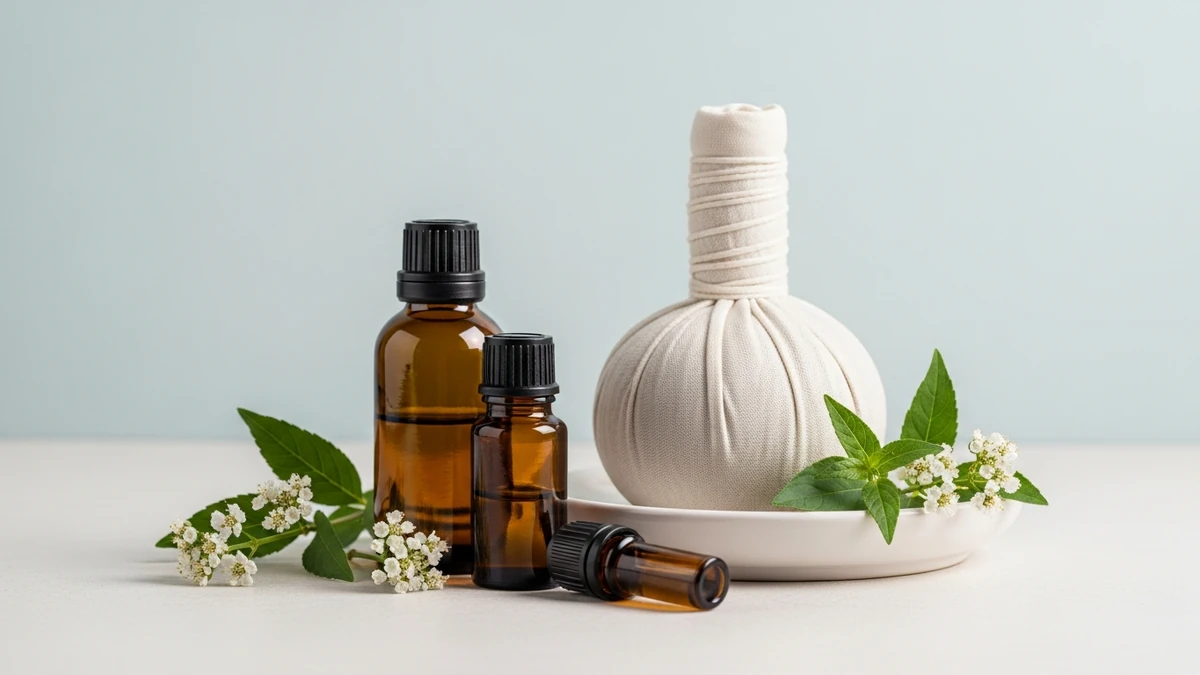
Digestive health is a cornerstone of overall well-being, and aromatherapy offers a promising natural approach to support a balanced digestive system. By utilizing essential oils with specific properties, we can find relief from common discomforts, promoting smoother, more harmonious digestion. It is crucial, however, to understand the limits and safe application methods to ensure effective results and protect your health.\n\nThis article explores how aromatherapy can be integrated into routines supporting digestive comfort, addressing the properties of essential oils, their practical applications, and, crucially, the necessary care and precautions. We invite you to discover how nature, through its aromas, can assist in seeking a more balanced and functional digestive system.\n\n## Properties and Composition\n\n### Key Chemical Components\n\nEssential oils are composed of a complex mixture of organic molecules that impart their aromatic and therapeutic characteristics. In the context of digestive wellness, certain groups of chemical components are particularly relevant. Monoterpenes, such as limonene (found in Lemon Essential Oil) and pinene, possess carminative and anti-inflammatory properties. Sesquiterpenes, like beta-caryophyllene (found in Copaiba Essential Oil), are known for their anti-inflammatory and analgesic actions. Esters, such as bornyl acetate (present in Rosemary CT Camphor Essential Oil), can act as antispasmodics, aiding in cramp relief. Meanwhile, aldehydes, like citral (found in Lemongrass Essential Oil), and phenols, like carvacrol (found in Oregano Essential Oil), exhibit strong antimicrobial activity, though they must be used with extreme caution due to their potential for irritation.\n\n### Proven Therapeutic Properties\n\nVarious essential oils possess therapeutic properties that can benefit the digestive system. Oils with antispasmodic action help relax the smooth muscles of the gastrointestinal tract, relieving cramps and spasms. Notable examples include Peppermint Essential Oil and Fennel Sweet Essential Oil. Carminative properties assist in reducing gas formation and promoting its elimination, combating bloating and abdominal discomfort; Ginger Essential Oil and Cardamom Essential Oil are excellent for this purpose. Anti-inflammatory oils, such as Basil Essential Oil and Roman Chamomile Essential Oil, can soothe irritation in the digestive lining. Furthermore, many oils exhibit digestive qualities, stimulating the production of enzymes and gastric juices, like Lemon Essential Oil and Ginger Essential Oil, facilitating food breakdown and nutrient absorption. The synergy of these properties contributes to comprehensive support for digestive health.\n\n## Benefits and Applications\n\n### Benefits for Physical Health\n\nAromatherapy offers a range of benefits for physical comfort related to the digestive system. Topical application or inhalation of certain essential oils can provide relief for: Indigestion and heartburn; oils like Peppermint can help calm the stomach and promote smoother digestion. Nausea and vomiting; Ginger Essential Oil is widely recognized for its ability to alleviate feelings of nausea, while Lemon Essential Oil can be effective for morning sickness. Flatulence and abdominal bloating; carminative oils like Fennel Sweet and Cardamom aid in gas elimination, reducing discomfort. Cramps and abdominal spasms; the antispasmodic action of oils like Peppermint and Basil can relax muscles and relieve pain.\n\n### Benefits for Mental and Emotional Health\n\nThe connection between the digestive system and the brain is profound, with the gut often referred to as the “second brain.” Stress, ansiedade, and other emotional tensions can directly impact digestive health, manifesting as irritable bowel syndrome, nervous indigestion, or changes in bowel transit. Aromatherapy can act indirectly by promoting mental well-being, and consequently, alleviating these stress-induced digestive symptoms. Calming and relaxing essential oils such as Lavender, Roman Chamomile, and Marjoram can reduce anxiety, foster relaxation, and improve sleep quality, creating an internal environment more conducive to healthy digestive function. Inhalation of these oils can modulate the autonomic nervous system response, promoting a 'rest and digest' state.\n\n## Methods of Use\n\nTo harness the benefits of essential oils for digestive wellness, it's crucial to adopt correct and safe methods of use. Below, we detail the primary approaches:\n\n### Aromatic Diffusion\n\nAromatic diffusion is one of the safest and most effective ways to enjoy essential oils, particularly for alleviating stress and anxiety that can impact the digestive system. While it doesn't directly address physical symptoms like bloating or cramps, diffusion creates a relaxing environment, which indirectly aids digestion. Oils like Lavender, Bergamot (CAUTION: phototoxic if applied topically), and Roman Chamomile are excellent for promoting calm and relaxation. Simply add a few drops (3-5 drops per 100ml of water) to an ultrasonic diffuser and allow the aroma to disperse throughout the room. Avoid continuous diffusion; periods of 30-60 minutes are generally sufficient, with breaks in between.\n\n### Topical Application (Massage and Baths)\n\nTopical application is highly effective for digestive wellness, allowing oils to act directly on the area of discomfort. Abdominal massage is particularly beneficial for relieving bloating, cramps, and constipation. Dilute 1-2 drops of your chosen essential oil (such as Peppermint, Ginger, or Fennel Sweet) in one tablespoon (15 ml) of a carrier oil (sweet almond oil, fractionated coconut oil, or jojoba oil). Gently massage the abdominal area in circular, clockwise motions (following the intestinal tract). Do this 2-3 times a day, as needed. For relaxing baths, add 5-10 drops of essential oil (such as Lavender or Marjoram) to a dispersant, like Epsom salts or a neutral gel, before adding to the bathwater, to prevent oils from floating on the surface and potentially irritating the skin. Be cautious with very warming or irritating oils in the bath.\n\n### Direct Inhalation\n\nDirect inhalation is a fast and effective way to relieve nausea and acute digestive discomforts. To do this, place 1-2 drops of the essential oil (such as Peppermint or Ginger) on a tissue or cotton ball and bring it close to your nose, breathing deeply. You can also inhale directly from the bottle for 3-5 deep breaths. This technique is useful during moments of sudden discomfort, such as during travel or after a heavy meal. Avoid direct contact of the oil with nostrils and use in moderation, especially for children and individuals with respiratory sensitivities.\n\n## Safety Warnings and Precautions\n\nThe safe use of essential oils is paramount. Always dilute oils before topical application; never apply them neat to the skin, as this can cause irritation or sensitization. Perform a patch test on a small area of skin (such as the inner forearm) 24 hours before extensive use to check for any allergic reactions. Avoid contact of essential oils with eyes, mucous membranes, and sensitive areas. Wash hands after handling oils. Keep oils out of reach of children and pets, and store them in a cool, dark place.\n\nPregnancy and Lactation: Pregnant or breastfeeding women should consult a doctor or qualified aromatherapist before using any essential oil, as many are contraindicated or require different dilution and dosage. Children: Dosage for children must be significantly lower and with specific, milder essential oils. Always consult a pediatric aromatherapy professional. Sensitive Skin: Individuals with sensitive skin should use even higher dilutions and test reactions cautiously. Dermocaustic oils such as Oregano, Cinnamon, and Clove are particularly irritating and should largely be avoided in topical applications. Pets: Some oils are toxic to pets, especially cats. Keep diffusers and bottles out of reach and avoid applying oils directly to animals without specialized veterinary aromatherapy guidance. Internal Use: The ingestion of essential oils is not recommended without the supervision and guidance of a qualified healthcare professional, as it can cause significant health damage due to high concentration and potential drug interactions. Drug Interactions: Individuals on continuous medication should consult their doctor before starting essential oil use, due to possible interactions.\n\nThe content presented here is for educational and informational purposes only and does not substitute for professional medical advice, diagnosis, or treatment. Always seek the advice of a qualified healthcare professional for any questions about a medical condition.\n\n## Combinations and Synergies\n\nThe strategic combination of essential oils can enhance their therapeutic effects, creating synergies that offer more comprehensive support for digestive wellness. When blending oils, consider not only their individual properties but also how they interact to produce a superior result.\n\n### Complementary Essential Oils\n\nFor different digestive discomforts, specific combinations can be highly effective:\n Nausea and Upset Stomach: Peppermint (relieves nausea) + Ginger (anti-emetic, digestive) + Lemon (refreshes, aids digestion). This combination is excellent for morning or motion sickness. Dilute for inhalation or abdominal massage.\n Bloating and Gas (Flatulence): Fennel Sweet (carminative) + Cardamom (digestive, carminative) + Coriander (antispasmodic, digestive). This synergy works to reduce gas formation and elimination, promoting a feeling of abdominal relief.\n Cramps and Abdominal Spasms: Basil (antispasmodic) + Marjoram (muscle relaxant, antispasmodic) + Peppermint (relaxes smooth muscles). Great for menstrual or intestinal cramps.\n Indigestion and Heartburn: Lemon (stimulates digestion) + Peppermint (calms the stomach) + Ginger (facilitates digestion). Helps break down food and relieve feelings of heaviness.\n Stress and Anxiety (impacting digestion): Lavender (calming) + Bergamot (reduces anxiety) + Roman Chamomile (mild sedative). Use in diffusion for a relaxing environment that favors digestion.\n\nAlways start with a few drops of each essential oil in your blend and adjust according to need and individual response. Dilution in a carrier oil is fundamental for safety and efficacy.\n\n### Ideal Carrier Oils\n\nCarrier oils are the base for safe dilution of essential oils in topical application. They help transport the oils into the skin, reduce the risk of irritation, and offer their own therapeutic benefits. For digestive wellness, some of the most recommended are:\n\n Fractionated Coconut Oil (MCT): Light, non-greasy, and odorless, it is easily absorbed by the skin. It does not clog pores and is excellent for abdominal massages, allowing essential oils to act quickly.\n Sweet Almond Oil: Rich in vitamins A and E, it is a gentle and nourishing emollient. Ideal for sensitive skin, it provides a smooth gliding base for prolonged massages and is well-tolerated.\n Jojoba Oil: Actually a liquid wax that resembles the skin's natural sebum. It is non-comedogenic and has a long shelf life. It is light and balanced, great for most skin types.\n Grapeseed Oil: Light and well-absorbed, it is rich in antioxidants. A versatile option for essential oil dilution.\n\nThe general dilution ratio for adults is 1-2% for daily use (1-2 drops of essential oil per 5ml of carrier oil), and can be increased to 3-5% for acute discomforts (3-5 drops of essential oil per 5ml of carrier oil), always with caution and observing skin reaction.\n\n## Final Considerations\n\nAromatherapy offers a natural and complementary path to support digestive wellness, providing relief for a variety of discomforts, from nausea and bloating to cramps and indigestion. By using essential oils such as Peppermint, Ginger, Fennel Sweet, and Lemon, one can harness their antispasmodic, carminative, and digestive properties.\n\nHowever, safety is non-negotiable. Proper dilution in carrier oils, adherence to precautions for sensitive groups like pregnant women, children, and pets, and understanding the limits of topical use and inalation are fundamental. Aromatherapy is a powerful tool, but it does not replace medical evaluation and treatment. Integrating aromatherapy consciously and informatively can, therefore, be a valuable step in the pursuit of a more balanced digestive system and improved quality of life*.
Aromatherapy for Digestive Health: Benefits, Safe Practices, and Essential Oils
ADVERTISEMENT