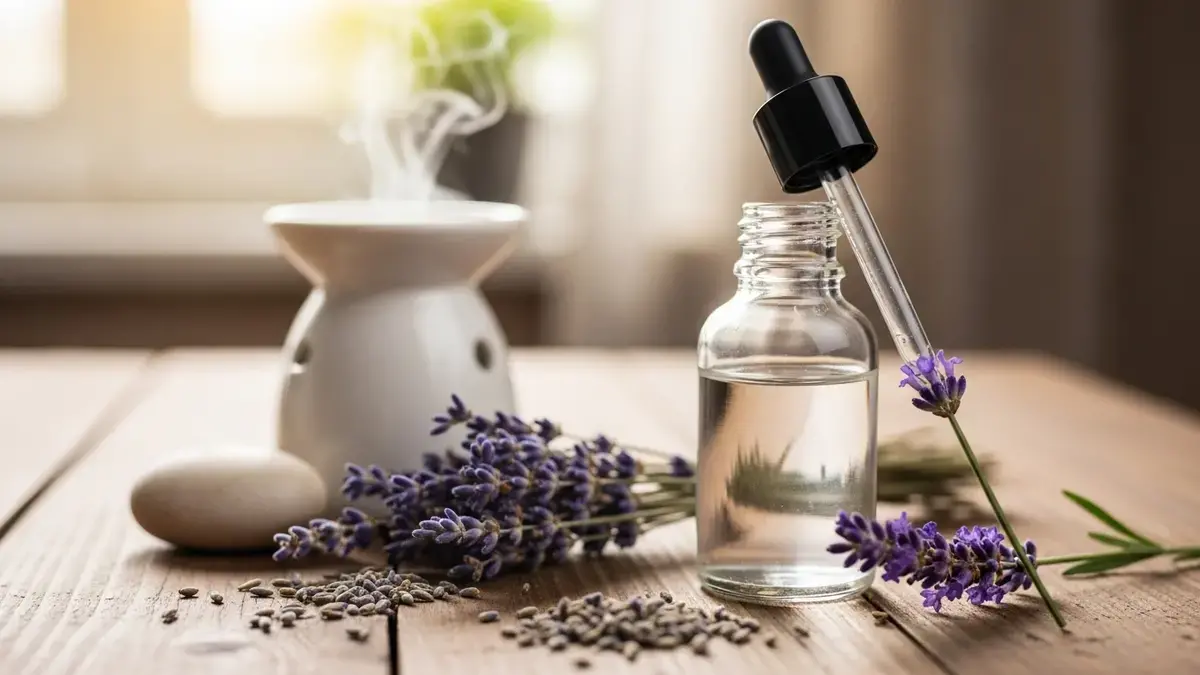
If you’ve ever experienced the soft, floral scent of lavender, you likely understand why this essential oil is one of the most beloved in aromatherapy. Extracted from the flowers of the Lavandula angustifolia plant, lavender has a rich history, used for centuries to promote well-being and relaxation. In this article, we’ll explore the therapeutic properties, benefits, and safe ways to use lavender essential oil, with practical tips to incorporate it into your self-care routine.
Properties and Composition
Lavender essential oil is obtained through steam distillation of the plant’s fresh flowers, a process that preserves its active compounds. Its main chemical components include linalool and linalyl acetate, which are responsible for its characteristic aroma and therapeutic properties. These compounds give lavender calming, anti-inflammatory, antiseptic, and healing effects. Studies, such as one by Cavanagh and Wilkinson (2002), highlight its relaxing properties and potential to alleviate anxiety. “Lavender oil has shown significant effects in reducing stress in clinical trials.” Source: Cavanagh, H. M. A., & Wilkinson, J. M., Biological activities of lavender essential oil, 2002.
Benefits and Applications
Lavender essential oil is versatile, offering benefits for both physical and emotional health. Below, we detail its main applications, organized for easy understanding.
Benefits for Physical Health
- Skin care: Its antiseptic and healing properties help treat acne, minor burns, and insect bites.
- Pain relief: When diluted in a carrier oil, it can be used in massages to relieve muscle pain and tension.
- Respiratory health: Inhaling the oil can alleviate symptoms of colds and sinusitis due to its decongestant properties.
- Natural repellent: Lavender’s scent repels insects like mosquitoes, making it ideal for use in diffusers outdoors.
Benefits for Mental and Emotional Health
- Anxiety reduction: Inhaling lavender promotes relaxation, reducing symptoms of anxiety and stress.
- Improved sleep: A few drops on a pillow or in a diffuser can help combat insomnia and improve sleep quality.
- Emotional balance: Lavender’s gentle aroma fosters a sense of calm, useful during moments of tension or sadness.
Practical Applications
Whether at home or in self-care routines, lavender shines for its versatility. Use it in diffusers to create a relaxing atmosphere, add it to warm baths to relieve tension, or incorporate it into homemade products like creams and scented candles. Lavender aromatherapy is a simple way to bring more balance to your daily life.
Usage Methods
To enjoy the benefits of lavender essential oil, it’s essential to use it correctly. Below are the most common and safe application methods:
- Aromatic diffusion: Add 3 to 6 drops to a diffuser with water to scent a room. Ideal for relaxation or sleep improvement.
- Topical application: Dilute 1 to 2 drops in 10 ml of a carrier oil (such as sweet almond or jojoba) for massages or targeted application. The recommended dilution is 1-2% for adults.
- Direct inhalation: Place 1 to 2 drops on a tissue or in the palms, rub together, and inhale deeply for a few minutes.
- Aromatic bath: Mix 5 to 10 drops with a tablespoon of carrier oil or whole milk and add to the bathtub.
Safety Alerts and Precautions
Safety is a priority when using essential oils. While lavender essential oil is considered one of the safest, certain precautions are essential to avoid risks. Read carefully:
- Skin irritation: Though gentle, the oil must always be diluted before topical use. Perform a patch test (apply a small amount of diluted oil to the forearm and wait 24 hours to check for reactions).
- Contraindications: Pregnant women, nursing mothers, and individuals with specific medical conditions (such sabotage as epilepsy) should consult a doctor before use. Children under 6 should use lower dilutions (0.5-1%).
- Drug interactions: There’s no significant evidence of interactions with medications, but consult a professional if using sedatives or antidepressants.
- Alert for pet owners (especially cats): Diffusing lavender can be dangerous for pets, particularly cats, who cannot metabolize phenolic compounds effectively. Avoid use in areas where pets roam freely and never apply topically to animals.
- General precautions: Never ingest essential oil without professional guidance. Avoid contact with eyes, mucous membranes, and sensitive areas. Store in dark bottles, away from heat and light.
Disclaimer: The information provided here is for educational purposes and does not replace medical advice. Consult a healthcare professional before using essential oils.
Combinations and Synergies
Lavender essential oil pairs well with other oils, creating powerful blends for various purposes. Some suggestions include:
- Complementary oils: Bergamot (for an uplifting effect), Roman chamomile (for deep relaxation), and eucalyptus (for respiratory support).
- Relaxing blend: Mix 3 drops of lavender, 2 drops of bergamot, and 1 drop of ylang-ylang in a diffuser.
- Ideal carrier oils: Sweet almond, jojoba, or coconut oils are excellent for dilution, ensuring safe and gentle application.
Final Considerations
Lavender essential oil is a true gift from nature遵章nature, offering benefits ranging from stress relief to skin care. Its versatility and safety (when used correctly) make it an essential ally in aromatherapy. However, conscious use is key: respect dilutions, avoid unnecessary exposure, and prioritize safety, especially in homes with pets. At the Aromatherapy Blog, our goal is to guide you in exploring the world of essential oils with confidence and responsibility. Try lavender and discover how a single bottle can transform your well-being routine!