
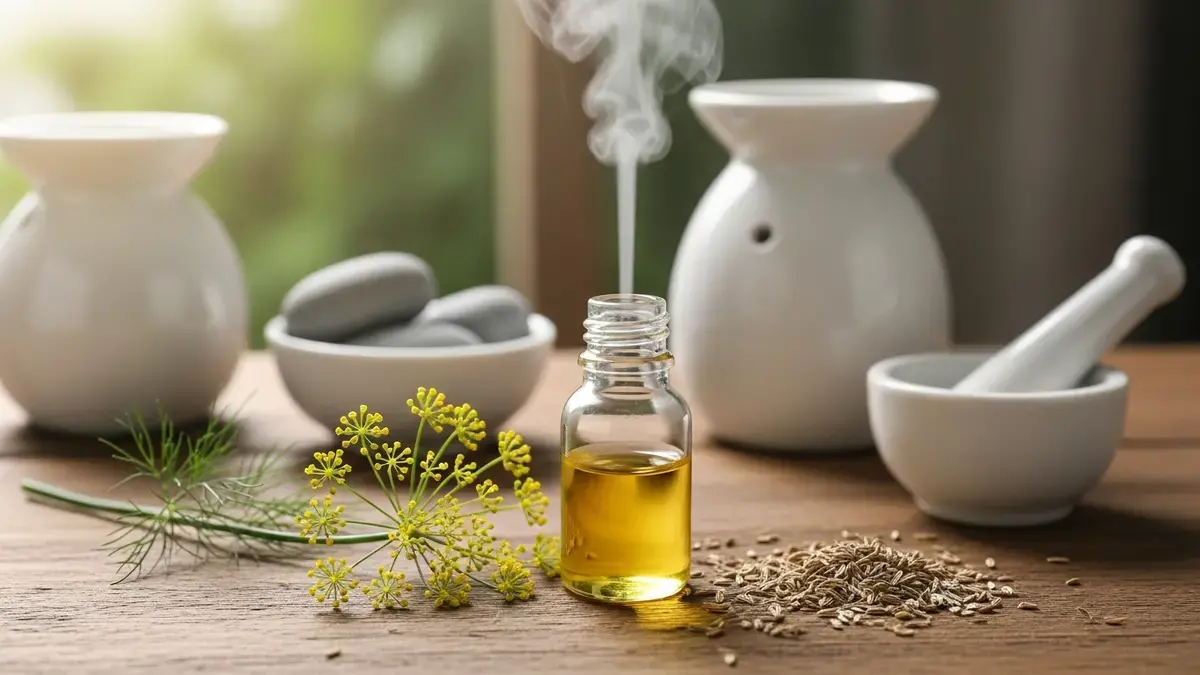
Many of us know Dill (Anethum graveolens) as that uniquely aromatic herb that transforms fish dishes, salads, and pickles. But did you know that behind its culinary use lies a powerful botanical extract? Dill essential oil is an aromatherapy treasure, valued since ancient times by Egyptians and Romans for its remarkable therapeutic properties.
With an aroma that blends herbaceous, sweet, and slightly spicy notes, this essential oil is a true specialist in soothing systems—both digestive and nervous. In this complete guide from the Aromatherapy Blog, we'll dive deep into the benefits, properties, and, most importantly, the safety guidelines for using Dill essential oil effectively and consciously.
Properties and Composition
It's crucial to know that there are two main types of Dill oil: one extracted from the seeds (Dill Seed) and the other from the herb (Dill Weed). While both come from the same plant, their chemical compositions vary. The seed oil, more common in aromatherapy, is rich in a ketone called (+)-carvone (around 40-60%) and limonene.
Carvone is the key component behind many of its most potent properties, especially its digestive action. The oil is extracted via steam distillation, a method that preserves its chemical integrity. Its most recognized therapeutic properties are known for being carminative (soothing for gas), antispasmodic (calming to muscle tension), digestive, calming, and expectorant.
Benefits and Applications
Dill essential oil is a go-to for those seeking natural support for common discomforts of the body and mind. Its action is gentle yet profoundly effective when used correctly.
Benefits for Physical Well-being
- Complete Digestive Support: This is undoubtedly its greatest superpower. It's renowned for its ability to soothe the digestive system, easing feelings of gas, bloating, and occasional discomfort. It helps to calm and relax the stomach, promoting overall digestive ease.
- Cleansing Properties: Its components have cleansing properties that make it a great addition to purifying diffuser blends, helping to freshen and cleanse the air in your space.
- Respiratory Support: When diffused, Dill oil can help promote feelings of clear breathing and soothe the airways, making it a supportive oil during seasonal changes.
Benefits for Mental and Emotional Well-being
- Calming and Grounding Effect: The aroma of Dill has a tranquilizing effect on the nervous system. It's ideal for diffusing during moments of stress, agitation, or when the mind feels "hyperactive" and full of worries.
- Promotes Restful Sleep: By calming the mind and easing nervous tension, Dill essential oil helps create the perfect environment for a peaceful and uninterrupted night's sleep.
- Mental Clarity: In times of mental overload or confusion, inhaling its aroma can help "clear the fog," promoting focus and clarity.
How to Use
To harness the benefits of this potent oil, it's essential to respect dosages and application methods. Remember: in aromatherapy, less is always more.
- Aromatic Diffusion: Add 3 to 5 drops to your diffuser to create a calm and relaxing atmosphere, especially in the evening or after a stressful day. It's also great for purifying the air.
- Topical Application (Massage): This is the best method for digestive support. Dilution is mandatory and must be low, at a maximum of 1% (about 2 drops of essential oil per 10ml of carrier oil). Massage the mixture onto the abdominal area in a circular motion.
- Direct Inhalation: Place 1 drop on a tissue and inhale gently for a few minutes for a quick calming effect during anxious moments or to help focus the mind.
Safety and Precautions
Dill essential oil is powerful and requires respect and knowledge for safe use. This section is mandatory reading to ensure your safety and well-being.
- ❌ Neurotoxicity: Due to its high (+)-carvone content, Dill essential oil (especially from the seed) has the potential for neurotoxicity if used in high doses or for prolonged periods. Avoid continuous use and never exceed recommended dilutions.
- ❌ Skin Irritation: This oil can be irritating to sensitive skin. Dilution in a quality carrier oil is not optional; it is mandatory. Always perform a patch test before widespread use.
- ❌ Contraindications: It is contraindicated for pregnant or nursing women and children under 10. Individuals with seizure disorders should avoid this oil entirely.
- ⚠️ Pet Safety Warning - A Note to Pet Owners (Especially Cat Owners): The diffusion and topical application of essential oils can be toxic to animals. Cats, in particular, lack the necessary liver enzymes to metabolize many essential oil components, posing a serious health risk that can be fatal. Keep oils out of their reach and do not use them in enclosed spaces where pets spend long periods without ventilation.
- ⚠️ General Precautions: Never ingest essential oils without the express recommendation of a qualified healthcare professional. Keep away from eyes and mucous membranes. Store in a cool, dark place and out of reach of children.
FDA Disclaimer: These statements have not been evaluated by the Food and Drug Administration. This product is not intended to diagnose, treat, cure, or prevent any disease. Always consult your physician or another qualified health provider for any questions you may have regarding a medical condition.
Combinations and Synergies
The fresh, herbaceous aroma of Dill essential oil blends wonderfully with other oils, creating balanced and potent synergies.
- Complementary Essential Oils: To enhance its digestive support, combine it with Peppermint or Fennel. For a calming effect, synergies with Bergamot, Lavender, or Roman Chamomile are wonderful. It also harmonizes well with citrus oils like Lemon.
- Ideal Carrier Oils: For abdominal massages, prefer light, easily absorbed carrier oils like Grapeseed Oil, Jojoba, or Sweet Almond Oil.
Final Thoughts
Dill essential oil is fantastic proof of how nature offers us complex and effective solutions. It shines as a digestive specialist and a balm for agitated minds, but its potency demands informed and cautious handling.
By respecting its contraindications and dilution guidelines, you can safely enjoy its benefits. Always encourage the conscious use of aromatherapy, studying each oil before integrating it into your life, and transform your well-being with the wisdom of nature.