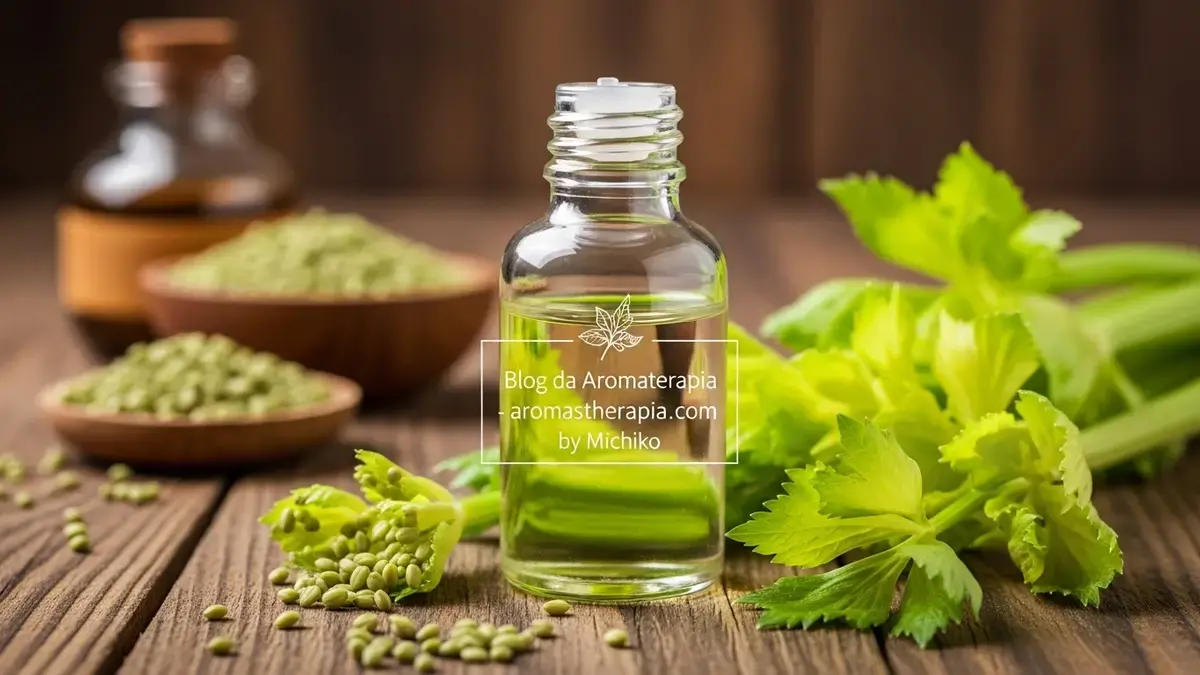
Celery seed essential oil, extracted from the seeds of the celery plant (Apium graveolens), is an aromatherapy treasure, valued for centuries not only for its culinary uses but also for its therapeutic benefits. This versatile oil is known for its warm, slightly spicy, and herbaceous aroma, which promotes a feeling of calm and well-being.
In this complete guide, we will explore the rich botanical history of Apium graveolens, its powerful chemical composition, and the safest ways to integrate celery seed oil into your wellness routine. We prioritize safety and accuracy so you can confidently enjoy all its benefits.
Properties and Composition of Celery Seed Essential Oil
Celery seed essential oil is obtained by steam distillation of the plant's dried seeds, a process that concentrates its volatile components into a highly potent form. Its therapeutic effectiveness is intrinsically linked to its complex molecular composition.
The main chemical components of this oil include:
- Limonene: A monoterpene that can make up 70% or more of the composition. It is known for its antioxidant properties and its ability to promote a healthy cellular environment.
- Phthalides (such as Sedanenolide and N-butylphthalide): These compounds are largely responsible for celery’s characteristic aroma and have been studied for their potential supportive effects on the nervous system.
- $\beta$-Pinene and Myrcene: Other monoterpenes that contribute to the oil's purifying and anti-inflammatory actions.
The scientifically recognized therapeutic properties of celery seed essential oil include:
- Antioxidant: Due to its high Limonene content, it helps combat free radical damage.
- Digestive Support: Traditionally used to promote gastrointestinal tract health.
- Relaxant: The phthalides may have a calming and toning effect on the nervous system.
Benefits and Applications in Aromatherapy
Integrating celery seed oil into aromatherapy can offer an impressive range of benefits, addressing both physical and mental/emotional health.
Benefits for Physical Health
- Joint Discomfort Relief: Its anti-inflammatory properties may help soothe areas of muscle and joint tension when applied topically with appropriate dilution.
- Digestive Stimulant: Inhalation or topical application (diluted, on the abdominal area) can help with feelings of bloating and promote healthy intestinal motility.
- Detoxification: Traditionally, celery is associated with diuretic and purifying support, and the essential oil can complement this use.
Benefits for Mental and Emotional Health
- Tension Reduction: The aroma is known to be a gentle nervous tonic, helping to dispel feelings of stress and anxiety.
- Mental Clarity: Inhaling celery seed essential oil may help "clear the mind," promoting focus and concentration.
- Promotes Calm Sleep: Used in diffusion before bed, it can help create an environment conducive to restful sleep.
Safe Usage Methods for Celery Seed Essential Oil
Safety is key when using any essential oil. Celery seed essential oil is potent and must be used cautiously, always diluted for topical application.
Recommended Dosages and Applications
- Aromatic Diffusion: Use 3 to 5 drops in a water diffuser. Ideal for purifying the air and creating a relaxing atmosphere. Use in cycles of 30–60 minutes.
- General Topical Application: Dilute to a maximum concentration of 1-2% in a carrier oil (such as fractionated coconut oil, jojoba, or sweet almond oil). Example of 1% Dilution: 6 drops of celery seed oil per 30 ml (1 oz) of carrier oil.
- Massage: Use the 1-2% dilution for massages on areas of muscular discomfort or the abdominal region (for digestive support).
- Direct Inhalation: Place 1 drop on a tissue or your wrist and inhale deeply. Do not use this method for extended periods due to the high concentration.
Safety Alerts and Precautions - Conscious and Responsible Use
Safety is the top priority in aromatherapy. Celery seed essential oil, while beneficial, has specific risks that must be observed. Compliance with these guidelines is crucial for your health and adherence to monetization policies.
❌ Phototoxicity/Dermocausticity: Celery seed essential oil is considered phototoxic due to the presence of furanocoumarins. After topical application (even diluted) to the skin, avoid direct sun exposure or tanning beds for at least 12 to 18 hours. Exposure can cause severe burns, hyperpigmentation, or rashes.
❌ Contraindications and Medical Conditions:
- Pregnancy and Lactation: Avoid use during pregnancy and breastfeeding due to lack of safety data and potential uterine stimulating effects at high doses.
- Children: Use in children should be done under the guidance of a qualified aromatherapy professional, using extremely low dilutions.
- Kidney Disorders: People with chronic kidney issues should consult a doctor before use, as celery and its essential oil are traditionally diuretic.
⚠️ Mandatory Patch Test: Always perform a patch test (apply a small, diluted amount to the inner forearm skin) and wait 24 hours to check for the absence of irritation or allergic reaction before using on larger areas.
⚠️ Never Ingest: Do not ingest any essential oil without the supervision and prescription of a qualified healthcare professional (doctor, clinical aromatherapist) with training in internal oil administration.
⚠️ Keep Away from Eyes and Mucous Membranes: Keep pure and diluted oil away from eyes, inner ears, and mucous membranes.
⚠️ Risk to Pets (Especially Cats): Essential oil diffusion and topical application are extremely dangerous for pets, especially cats. Felines lack the enzyme glucuronyl transferase, essential for metabolizing many oil compounds. The accumulation of these substances can lead to severe poisoning. Keep pets out of the diffusion area.
Important Medical Disclaimer: The information in this post is intended for educational and informative aromatherapy purposes and does not replace medical advice, diagnosis, or treatment. Always consult a qualified healthcare professional for any health concerns.
Combinations and Synergies with Celery Seed Essential Oil
Celery seed essential oil blends well with a variety of other oils, creating mixtures (blends) that enhance its effects and enrich the aromatic profile.
Complementary Essential Oils
- Citrus (non-phototoxic or for diffusion only): Lemon, Sweet Orange, or Bergamot (if distilled, furanocoumarin-free, or only diffused) for a brighter, uplifting aroma.
- Herbal and Spice: Ginger, Cardamom, or Black Pepper to enhance digestive support and warmth.
- Floral and Woodsy: Lavender, Roman Chamomile, or Sandalwood to deepen relaxing properties and promote peaceful sleep.
Ideal Carrier Oils (Vegetable Bases)
Use one of these carrier oils to ensure proper dilution and minimize skin irritation:
- Jojoba Oil: Light and well-absorbed, ideal for facial use and sensitive skin.
- Fractionated Coconut Oil: Odorless, non-greasy, and widely available, excellent for body massages.
- Sweet Almond Oil: Rich in Vitamin E, great for dry skin and massages.
Final Considerations
Celery seed essential oil is a subtle yet powerful therapeutic agent with a long history of use in promoting digestive and emotional well-being. Its components, like Limonene and phthalides, offer valuable support for balancing the body and mind.
Remember: safe use is smart use. By respecting the guidelines for dilution, contraindications, and especially the phototoxicity rule, you ensure that the benefits of celery seed essential oil are enjoyed to their fullest. Always seek guidance from a professional aromatherapist to create a personalized and safe usage plan.