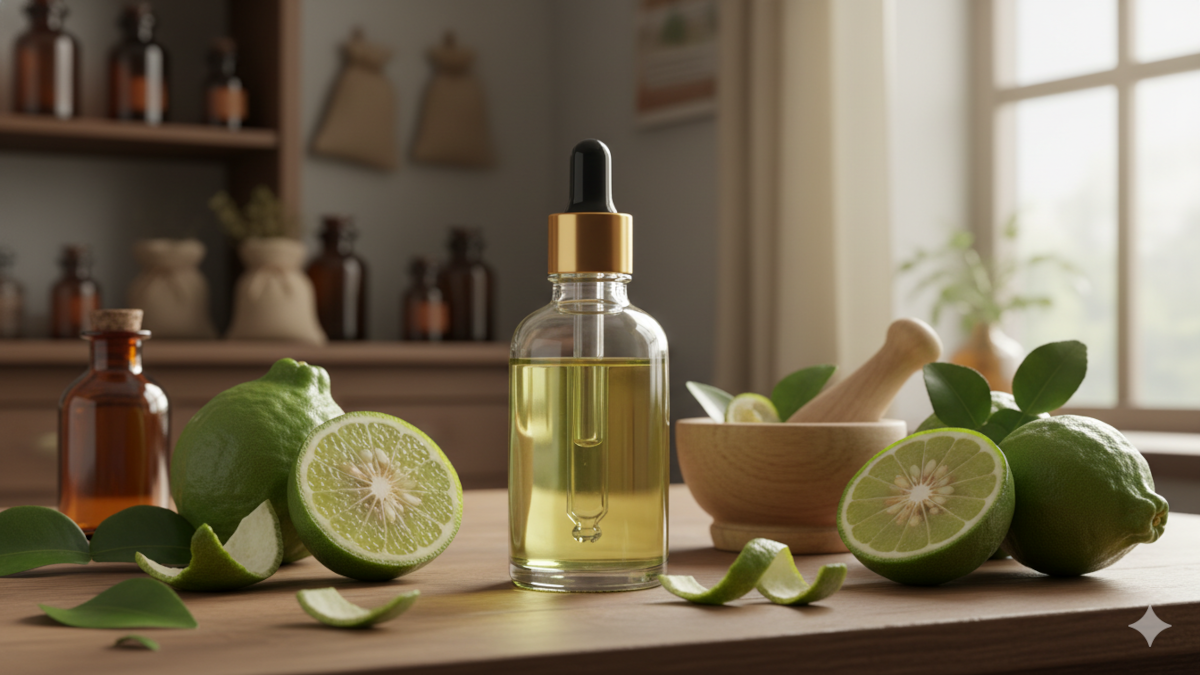
Bergamot essential oil (extracted from the species Citrus bergamia) evokes the invigorating and bright sensation of Mediterranean orchards. It is one of the most cherished oils in aromatherapy due to its crisp, fruity, and slightly floral aroma, historically recognized for its unique capacity to balance emotions, acting simultaneously as a powerful mood stimulant and a profound nervous system balancer.
In this comprehensive guide, we will explore the scientific properties of bergamot essential oil, its proven benefits, safe application methods, and essential precautions to ensure an effective and responsible aromatherapy experience. If you seek an aroma that promotes mental clarity, reduces anxiety, and brings the "sunshine" back into your days, bergamot is the ideal choice.
Properties and Composition of Bergamot Essential Oil
The efficacy of bergamot essential oil lies in its complex chemical composition, which uniquely unites the refreshing liveliness of citrus with the relaxing properties commonly found in florals like lavender. Obtained by cold-pressing the rind of the fruit, its chromatographic profile stands out for its high concentration of synergistic bioactive elements.
Key Chemical Components
- Limonene: The primary monoterpene found in most citrus fruits, responsible for its strong antioxidant and immune-stimulating actions, as well as the refreshing character of the aroma.
- Linalyl Acetate: An ester with sedative and relaxing properties that targets the central nervous system, crucial for modulating stress.
- Linalool: A monoterpene alcohol widely studied for its potent anxiolytic, calming, and anti-inflammatory actions.
- Bergapten (and other Bergaptofuranocoumarins): Natural compounds that, while offering certain therapeutic attributes, dictate the pronounced phototoxic nature of this oil.
Proven Therapeutic Properties
- Anxiolytic and Antidepressant: Acts directly on the limbic system, stimulating the release of neurotransmissores like serotonin and dopamine, promoting relaxation and relieving emotional tension.
- Antiseptic and Antimicrobial: Highly effective for air purification and targeted, controlled skin care applications to counteract surface pathogens.
- Spasmolytic and Digestive Support: Helps relax smooth muscle tissue and addresses psychosomatic digestive discomfort.
Benefits of Bergamot Essential Oil
The regular and judicious use of this oil brings profound improvements to both emotional equilibrium and physiological support.
Emotional and Mental Health
Bergamot is frequently celebrated as "bottled sunshine." Its core benefit lies in its ability to dispel anxiety, a tight chest, sadness, and mental fatigue. Unlike other citrus oils that are purely stimulating, bergamot calms the mind without inducing drowsiness, making it ideal for managing mood swings and fostering an atmosphere of self-confidence and positivity.
Physical and Dermatological Support
Physically, its antiseptic and skin-healing properties make it highly useful for oily and acne-prone skin conditions, provided that sun safety rules are strictly enforced. Furthermore, it helps reduce tension-related pain and supports cardiovascular wellness impacted by chronic stress, assisting in regulating nervous system induced high blood pressure.
Safe Forms of Application and Use
To fully enjoy all the therapeutic properties of bergamot without risks, it is vital to follow accurate application methods and deliberate dosages.
Aromatic Diffusion
Environmental dispersion via ultrasonic diffusers is the safest and most recommended method for mood modulation. Add 3 to 5 drops to your diffuser filled with water to create an inviting, relaxing, and focused atmosphere. This is an excellent practice for late afternoons or during high-pressure work periods.
Topical Application and Massage
For skin application, bergamot essential oil must always be diluted. Safe dilution rates range from 0.5% to 1% for facial blends or sensitive skin, and up to 2% for body massages. Using pure, high-quality carrier bases is strictly mandatory.
Precautions and Safety Warnings
Although a natural product, bergamot essential oil carries specific risk factors due to its chemical makeup, requiring strict safety parameters.
- Strict Phototoxicity: Due to the presence of furanocoumarins (such as bergapten), this oil is highly phototoxic. Categorically avoid direct sunlight or UV exposure on the applied skin area for at least 12 to 18 hours after topical application, to prevent severe chemical burns and hyperpigmentation.
- Use with Pets: Dogs and cats, particularly the latter, possess a distinct liver metabolism and are highly sensitive to the volatile elements in citrus oils. Do not apply the oil to your pet's skin and avoid continuous diffusion in closed spaces where animals remain.
- Pregnancy and Lactation: Pregnant or nursing individuals should abstain from use or consult a qualified healthcare professional before application, as there is insufficient conclusive data to guarantee absolute safety under these conditions.
⚖️ Disclaimer: The information contained in this article is intended for informational and educational purposes only and does not constitute medical advice. It is essential to consult with a qualified healthcare professional for any health concerns or before making any decisions related to your health or treatment. The use of essential oils is solely at your own risk.
Combinations and Synergies
Bergamot possesses extraordinary versatility, acting as an excellent top note in perfumery and aromatherapy, boosting the therapeutic efficacy of a wide array of other essential oils.
Complementary Essential Oils
To create well-balanced aromatic blends, bergamot oil pairs smoothly with:
- Florals: Lavender, Geranium, Ylang-Ylang (for a deeply relaxing and mood-balancing effect).
- Woods: Cedarwood, Sandalwood, Fir (to introduce a more grounding, profound, and calming quality).
- Mints: Peppermint (for a revitalizing contrast that boosts focus and mental clarity).
- Spices & Resins: Frankincense, Ginger (to establish comforting, meditative, and soothing blends).
Ideal Carrier Oils
For topical uses, bergamot essential oil should be thoroughly blended with one of these pure carrier oils:
- Jojoba Oil: Light, exceptionally well-absorbed, non-comedogenic, and perfect for combination or acne-prone skin care.
- Sweet Almond Oil: Highly nourishing and lubricating, making it the perfect choice for deeply relaxing body massages.
- Fractionated Coconut Oil: Ultra-light, odorless, and rapidly absorbed, leaving the aromatic qualities of bergamot completely unaltered.
Final Considerations
Bergamot essential oil is a gift from nature that offers a reliable bridge between solar vitality and deep inner peace. Whether used to mitigate everyday anxiety or to restore depleted emotional energy, this essential oil stands out as a priceless asset in your aromatherapy journey.
Always remember to prioritize safety and conscious use. By enforcing correct dilution guidelines and respecting strict sun restriction rules, you can enjoy the full transformation that this comforting citrus aroma has to offer.