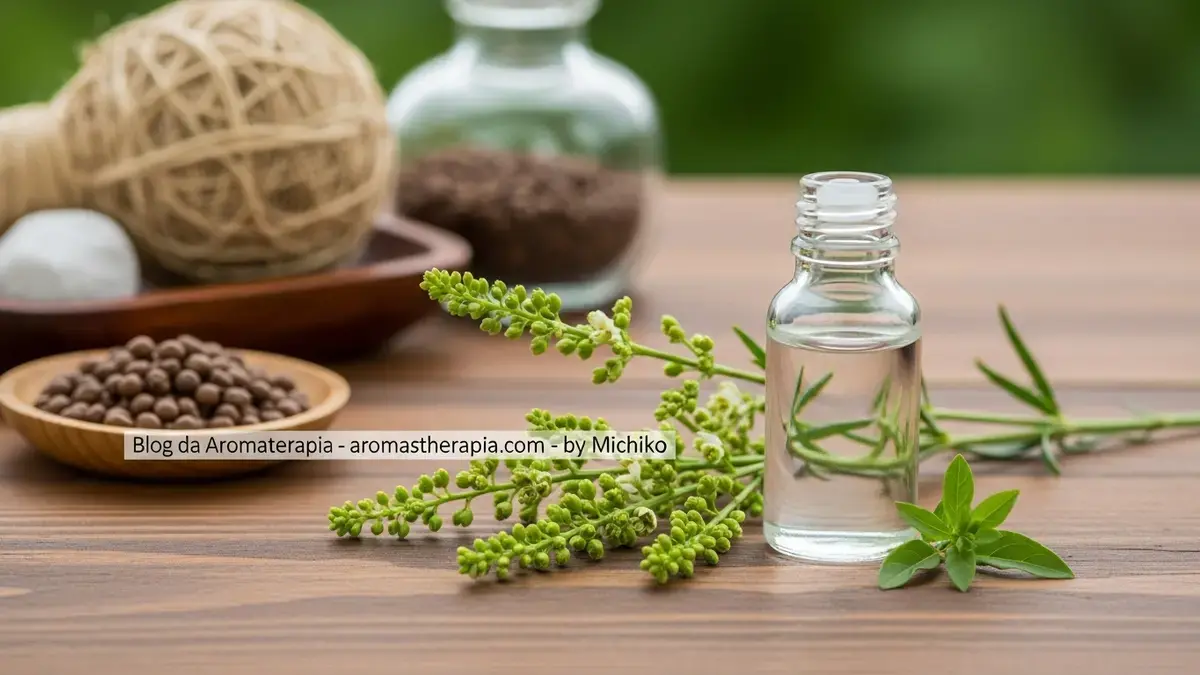
Ah, ambrette seed! If you're searching for an aroma that transcends a simple "good smell" and offers a truly luxurious and therapeutic olfactory experience, get ready. This essential oil, often called the “vegetable musk,” is a treasure in aromatherapy, known for its complex, warm, and profound scent. Beyond its olfactory appeal, however, ambrette seed essential oil (Abelmoschus moschatus) carries a profile of properties that make it indispensable in blends aimed at emotional balance and physical well-being.
In this article, we'll delve into its origins, chemical composition, and, most importantly, the safest and most effective ways to harness the power of this rare extract. From easing tension to encouraging sensuality, ambrette seed has much to offer. Read on and discover why this essential oil is a jewel of nature.
Properties and Composition of Ambrette Seed Essential Oil
The ambrette seed essential oil is extracted from the seeds of a tropical plant, Abelmoschus moschatus, native to India and belonging to the okra family (Malvaceae). Historically, it was used in perfumery as an ethical, vegetable substitute for animal musk—hence its nickname.
Extraction Method and Aroma
The extraction of this oil is a delicate process, usually done by steam distillation or, more commonly, by volatile solvent extraction to obtain the absolute, ensuring the preservation of its rich aroma. The resulting oil or absolute has a warm, musky scent, with sweet, nutty, somewhat wine-like, and floral notes. It is a "base note" aroma in perfumery, meaning it helps to anchor and give depth to fragrances.
Key Chemical Components
The chemical profile of ambrette seed is notably complex and rich in:
- Farnesol: A sesquiterpene with a subtle floral aroma and recognized for its antimicrobial properties.
- Ambrettolide: A macrocyclic ester that is primarily responsible for the characteristic musky note.
- Palmitic Acid and Myristic Acid: Fatty acids present in the extract that contribute to its fixative properties and viscosity.
The presence of farnesol, for instance, not only contributes to the olfactory experience but also imparts some of ambrette seed's subtle therapeutic properties, such as mild anti-inflammatory and sedative action. This is an oil that works primarily on the nervous system, harmonizing and grounding.
Benefits and Applications in Aromatherapy
Ambrette seed essential oil is a true balm for the body and mind, acting as a mood harmonizer. Its benefits are broadly applicable in situations of stress and emotional imbalance.
Benefits for Mental and Emotional Health
Its warm, musky nature has a profound effect on the limbic system, being used for:
- Grounding and Calm: Helps to center the mind, making it excellent for moments of anxiety, restlessness, or deep stress.
- Stimulating Sensuality: It is classically considered a mild aphrodisiac, helping to release tension and promote connection and intimate well-being.
- Relieving Mental Fatigue: Its comforting aroma provides solace and can be useful in combating emotional exhaustion.
Benefits for Physical Health
Although best known for its psycho-emotional uses, ambrette oil also has physical applications:
- Mild Muscle Relaxant: Can be incorporated into massage oils to help relax tense muscles after a stressful day.
- Skin Care: In very low concentrations (less than 0.5%), it is valued for its emollient properties and its long-lasting aroma in cosmetic formulations.
- Respiratory Support: In diffusion, it may help with congestion, though this is not its primary use.
Safe Usage Methods
Ambrette seed, being a base note oil, is ideal for use in prolonged inhalation methods and massage blends. Remember, less is more, especially with more viscous and intensely aromatic oils like this one.
- Aromatic Diffusion: Add 3 to 5 drops to an ultrasonic mist diffuser. It's perfect for creating a cozy atmosphere at the end of the day or for meditation and relaxation sessions. It blends well with citruses or woodsy oils.
- Topical Application (Massage): Dilute the ambrette seed essential oil in a vegetable carrier oil. The general safe dilution for adults is 1% to 2% (about 6 to 12 drops of EO per 30 ml of carrier oil). It is excellent for massages on the lower back or solar plexus for grounding.
- Direct Inhalation: For quick anxiety relief or a boost of sensuality, place 1 or 2 drops on a tissue or a personal diffuser necklace. Inhale deeply, but sparingly.
Safety Warnings and Precautions
Safety is non-negotiable in aromatherapy. As an expert, I emphasize that conscious use and adherence to correct dilutions are crucial to enjoying the benefits of ambrette seed essential oil without risk.
General Precautions for Use
- Mandatory Patch Test: Before applying topically to a large area, perform a patch test (application of a small, diluted amount to the skin, such as the forearm) and wait 24 hours to check for any reaction.
- Never Ingest: Essential oils should NEVER be ingested without the supervision and prescription of a qualified health professional (doctor, nutritionist, or dentist) with specific training in clinical aromatherapy. Ingestion can cause irritation and internal damage.
- Maintain Distance: Avoid contact with eyes, mucous membranes, and sensitive areas. Wash your hands after use.
- Pregnancy and Lactation: Although there are no reports of acute toxicity for ambrette seed essential oil at low dilutions, use during pregnancy and lactation should only be done under medical guidance.
- Children and Elderly: The skin of children and the elderly is more sensitive. Use even lower dilutions (0.5% or less) and always with caution and professional supervision.
⚠️ Risk to Pets - Alert for Pet Owners!
The diffusion and topical application of essential oils pose a serious risk to pets, especially Cats. Cats lack the necessary liver enzyme to metabolize many oil components (like terpenes and phenols). Exposure, even passive (like smelling a diffuser), can lead to severe liver toxicity, constituting a veterinary emergency. Keep diffusers in areas pets do not frequent and NEVER apply oils directly or in their resting environments.
Medical Disclaimer: The content of this post is for informational and educational purposes regarding aromatherapy. It is not a substitute for professional medical advice, diagnosis, or treatment. If you have questions about your health or drug interactions, always consult a qualified healthcare professional before using any essential oil.
Combinations and Synergies (Blends)
Ambrette seed essential oil is an excellent "fixative" in blends. Its deep base note makes it an ideal partner for more volatile oils (top and middle notes).
Complementary Essential Oils
- For Deep Relaxation: Combine with Lavender (Lavandula angustifolia) and Sandalwood (Santalum album).
- For Sensuality and Comfort: Create a blend with Ylang Ylang (Cananga odorata) and Sweet Orange (Citrus sinensis).
- For Meditation and Grounding: Use in synergy with Vetiver (Chrysopogon zizanioides) and Cedarwood (Cedrus atlantica).
Ideal Carrier Oils
Because this oil is highly suited for massages and skin application, use a quality carrier oil, such as:
- Jojoba Oil: Light and with a long shelf life.
- Sweet Almond Oil: Rich and great for full-body massages.
- Shea Butter: Ideal for richer balms and creams.
Final Considerations
Ambrette seed essential oil is, without a doubt, one of the most sophisticated and therapeutically valuable aromas nature offers. Its ability to ground, soothe, and awaken sensuality places it in a special category. By incorporating it into your wellness routine, you will be adding a touch of luxury and depth to your aromatherapy.
Always remember: the key to success and safety in aromatherapy lies in the oil's quality, correct dilution, and respecting precautions. Use the power of ambrette seed consciously and enjoy its transformative benefits!