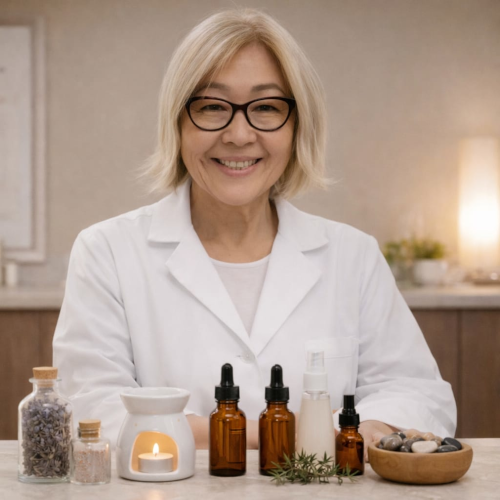
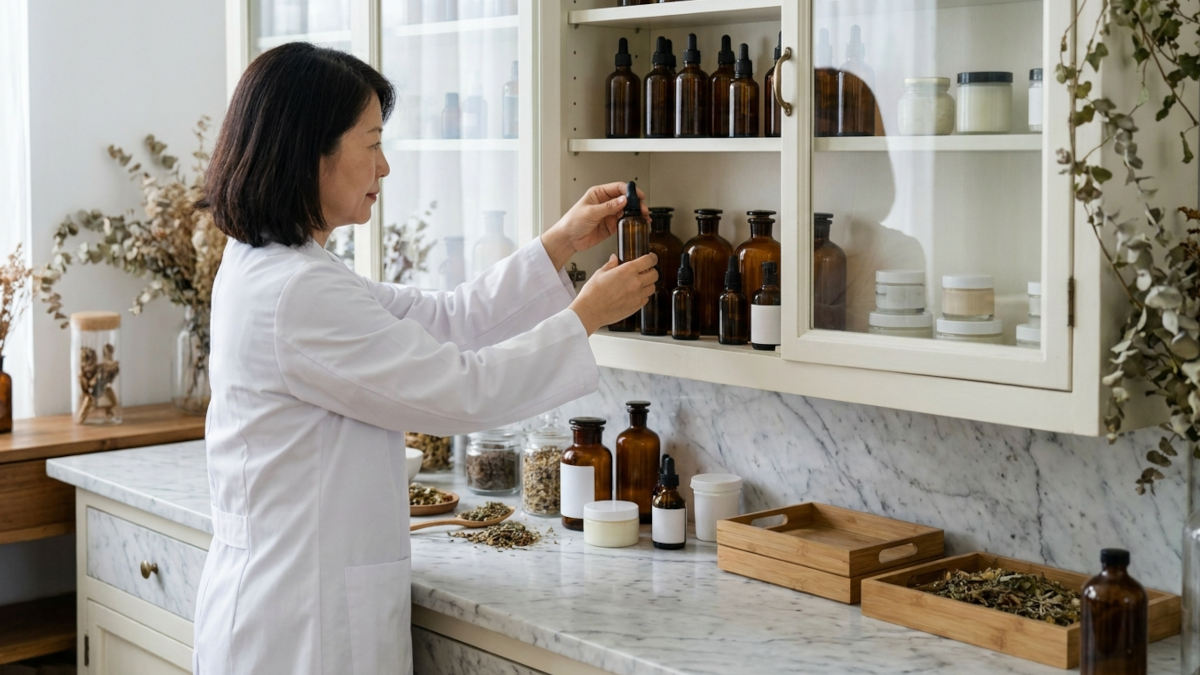
The creation of aromatic blends is an art that combines intuition and science, resulting in powerful synergies for well-being. However, the true value of these essential oils lies not only in their composition but also in their ability to maintain therapeutic efficacy over time. The preservation of blends is a fundamental pillar to ensure that your mixtures do not lose their precious properties due to premature oxidation or environmental degradation.
Understanding how the environment affects the shelf life and integrity of your aromatic blends is essential for any aromatherapy practitioner. This guide has been developed to provide the necessary information and best practices to protect your synergies, ensuring that every drop continues to offer its maximum potential. We will explore everything from the chemical composition of oils to practical tips for correct storage, guaranteeing that your blends remain potent and safe for use.
Properties and Composition
To effectively preserve aromatic blends, it's crucial to understand the nature of their components. Essential oils are volatile and complex substances, rich in chemical components that react to light, heat, and oxygen. When combined with carrier oils, the mixture becomes even more susceptible to degradation if not properly protected. Premature oxidation not only alters the aromatic profile but can also drastically diminish therapeutic properties and, in some cases, even create undesirable byproducts.
Key Chemical Components
Essential oils are composed of hundreds of chemical components, such as terpenes, esters, aldehydes, ketones, and phenols. Each of these groups contributes to the unique aroma and therapeutic properties of the oil. However, many of these components are unstable. For example, monoterpenes (common in citrus oils) are highly susceptible to oxidation. When an oil or blend oxidizes, these compounds decompose, altering the original chemical composition and, consequently, its effectiveness. Exposure to air, UV light, and heat accelerates this molecular breakdown, compromising the chemical integrity of your synergy.
Proven Therapeutic Properties
The therapeutic properties of essential oils – such as being anti-inflammatory, analgesic, sedative, or stimulating – are intrinsically linked to their intact chemical composition. A blend that has undergone premature oxidation will have its properties attenuated or even altered. For instance, an oxidized citrus oil may become more irritating to the skin. Maintaining chemical integrity through blend preservation is, therefore, vital to ensure that the expected benefits are truly delivered, sustaining the therapeutic efficacy of aromatherapy.
Benefits and Applications
Blend preservation is not just about extending shelf life; it's about preserving the multiple benefits that essential oils offer. A well-preserved blend ensures that each application or inhalation provides the full experience and desired therapeutic results. Protection against premature oxidation ensures that the aromatherapeutic potential of your synergy is maintained in its entirety, without unpleasant surprises or diminished potency.
Benefits for Physical Health
Blends used for physical health, such as those for muscle pain relief, inflammation, or respiratory issues, depend on the potency of their chemical components. A well-preserved blend ensures that active therapeutic properties remain effective, providing consistent and reliable relief. Conversely, an oxidized blend may have its analgesic or anti-inflammatory power reduced, compromising results and user experience.
Benefits for Mental and Emotional Health
In the realm of mental and emotional health, aromatic quality and chemical integrity are even more crucial. Aromatherapy acts through the olfactory system, influencing mood and emotions. A blend that maintains its original and unaltered aromatic profile can more effectively evoke feelings of relaxation, clarity, or energy, significantly contributing to mental well-being and emotional balance. Blends with aromas altered by oxidation may fail to provide these psychological benefits.
Methods of Use
Regardless of the method of use, the quality and integrity of your blend are paramount. Blend preservation directly impacts the safety and efficacy of each application method. Using a blend that has not been stored correctly can result in an ineffective experience or, in more severe cases, irritations.
Aromatic Diffusion
For aromatic diffusion, the purity of the blend is fundamental. Using diffusers with well-preserved blends ensures a pleasant aroma diffusion with the expected therapeutic potency. Oxidized oils can emit an unpleasant or rancid odor, compromising the ambiance and respiratory or emotional benefits. Furthermore, inhaling oxidized compounds can be harmful in the long term.
Topical Application (Massage and Baths)
In topical application, the dilution of essential oils in carrier oils is essential. Blends for massages or baths must be carefully preserved to prevent essential oils, and especially carrier oils, from oxidizing. Rancid carrier oils or oxidized essential oils can cause skin irritation, allergic reactions, or simply fail to provide the expected skin and therapeutic benefits. Always perform a patch test for new blends, even if well-preserved.
Direct Inhalation
Direct inhalation, whether from a bottle or a personal inhaler, requires essential oils to be in their best condition. A well-preserved blend ensures that respiratory benefits and olfactory impact are maximal and pure. Inhaling degraded chemical components can be less effective or even unpleasant, diminishing the therapeutic value of the experience.
Safety Warnings and Precautions
The safe use of essential oils and aromatic blends is of utmost importance. A crucial aspect of safety is blend preservation, as oxidized essential oils can be more sensitizing or irritating to the skin. Always follow dilution guidelines and perform patch tests. The purity and freshness of the oil are as important as its correct application.
-
Pregnancy and Lactation: Pregnant or breastfeeding women should always consult a qualified doctor or aromatherapist before using any essential oils or blends. Some oils are contraindicated. The integrity of the blend is even more critical during this period.
-
Children: Children's skin is more sensitive, and their developing systems require great caution. Use extremely low dilutions and always under the guidance of a professional. Avoid certain oils and prolonged exposure.
-
Sensitive Skin: Individuals with sensitive skin should always perform a patch test on a small area of the skin (such as the forearm) before topical application to larger areas. Oxidized essential oils are more likely to cause irritation. Monitor the skin for redness or discomfort.
-
Pets: Some essential oils are toxic to pets. Avoid prolonged diffusion in environments with pets and never apply oils directly to them without veterinary guidance. Store blends out of reach of animals.
This article is for informational purposes only and does not replace consultation with a qualified healthcare professional. In case of doubts or pre-existing medical conditions, seek specialized guidance before using essential oils.
Combinations and Synergies
The art of aromatherapy shines in the creation of aromatic synergies, where the combination of different essential oils and carrier oils results in an effect greater than the sum of their parts. Blend preservation ensures that this carefully created synergy remains intact, preserving the delicate balance of top, middle, and base notes and the harmony of chemical components.
Complementary Essential Oils
When creating a blend, choosing complementary essential oils that harmonize is fundamental. Understanding top, middle, and base notes not only helps create a balanced aromatic profile but also informs about the potential shelf life of the synergy. Top note oils (more volatile) are the first to oxidize, while base notes can help 'anchor' the aroma. Blend preservation focused on protecting the most volatile part of the mixture is crucial to maintain the chemical integrity of the entire synergy. For example, lavender (middle) and bergamot (top) create a relaxing synergy that needs to be protected from light and heat to maintain the freshness of bergamot.
Ideal Carrier Oils
The choice and preservation of carrier oils are as important as those of essential oils in a blend. Carrier oils like fractionated coconut oil, jojoba, sweet almond, and grape seed oil not only dilute essential oils, making them safe for the skin, but can also influence the shelf life of the blend. Some carrier oils, like jojoba, are more stable and less prone to oxidation than others, such as grape seed oil. This is due to its chemical composition – jojoba is a liquid wax, not a typical triglyceride, which makes it highly resistant to rancidity.
To maximize your blend's shelf life, choose high-quality, cold-pressed carrier oils that are also resistant to oxidation. Store them under the same conditions as your essential oils – in dark glass bottles, away from direct sunlight and heat. The validity of carrier oils directly affects the preservation of blends as a whole. A rancid carrier will compromise the entire blend, even if the essential oils are still good.
Essential Tips for Blend Preservation:
-
Dark Glass Bottles: Always store your blends in dark glass bottles (amber or cobalt blue). Dark glass protects oils from direct sunlight and UV light, which are major catalysts for premature oxidation. Plastics can interact with the chemical components of oils, degrading them and even leaching plastic substances into the blend.
-
Cool and Dark Place: Keep your blends in a cool, dark place. The ideal room temperature for most essential oils and blends is between 64°F and 77°F (18°C and 25°C). Avoid storing blends in bathrooms (due to humidity and temperature fluctuations) or near windows, stoves, or other heat sources. A cabinet in the kitchen or bedroom is usually a good spot.
-
Tightly Sealed Caps: After each use, ensure bottle caps are firmly closed. Exposure to air is one of the main factors for premature oxidation. A tightly sealed cap minimizes contact of the blend with oxygen and the evaporation of volatile chemical components.
-
Minimize Headspace: If you transfer a blend to a smaller bottle, try to minimize the empty space at the top of the bottle. The less air inside the bottle, the less likely oxidation is. Use appropriately sized bottles for your blend volume.
-
Proper Labeling: Label your bottles clearly, including the blend name, manufacturing date, and, if possible, the expected expiration date. This helps monitor shelf life and ensures you use older blends first. The validity of essential oils varies, but, in general, aromatic blends containing citrus or wood oils tend to have a shorter shelf life (6 months to 1 year) than others, which can last up to 2-3 years.
-
Avoid Contamination: Maintain hygiene when handling your blends. Avoid touching the dropper or applicator directly to skin or other surfaces to prevent the introduction of bacteria or dirt that could accelerate degradation.
Final Considerations
Blend preservation is an indispensable practice for any aromatherapy enthusiast or professional. By following correct storage guidelines, protecting your essential oils and carrier oils from light, heat, and oxygen, you ensure that the therapeutic efficacy and aromatic profile of your synergies remain intact for longer. This not only maximizes your investment in your oils but also guarantees the safety and consistency of therapeutic benefits.
Remember that premature oxidation not only diminishes a blend's potency but can also alter its properties, making it less safe or effective. Adopting a rigorous routine of blend care is a gesture of respect for the powerful nature of plants and for your own health and well-being. With these tips, your aromatic blends will always be ready to support your journey to health and balance, maintaining their quality and purity for every moment of use.