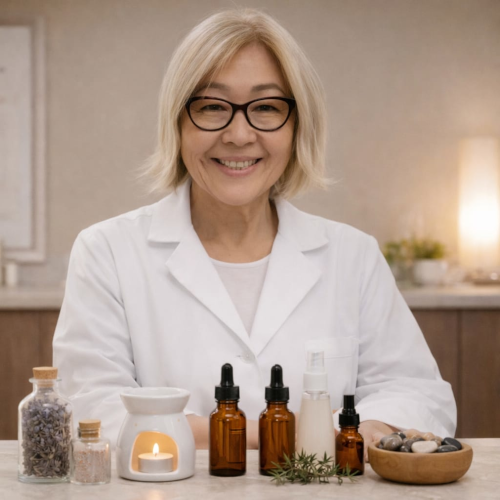
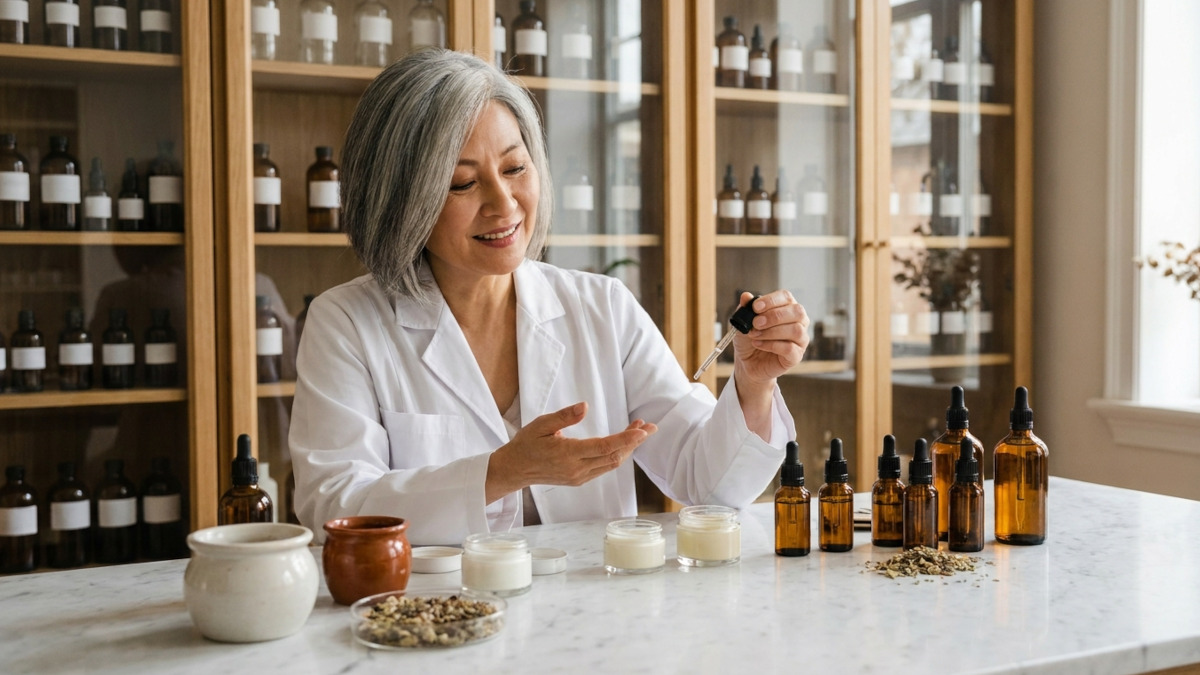
Aromatherapy is an ancient practice that utilizes essential oils to promote physical, mental, and emotional well-being. More than just pleasant scents, these concentrated substances from nature possess complex therapeutic properties. However, the true power of essential oils often lies in their ability to work together, creating what we call aroma synergy. When different oils are combined, their individual properties can be amplified, resulting in a more potent and harmonious effect than using each one in isolation.
Crafting a balanced aromatic blend is an art that involves understanding the aromatic notes, chemical properties, and therapeutic effects of each oil. It's like composing a melody, where each note has its place and contributes to the final harmony. This practical guide aims to uncover the secrets to effectively combining essential oils, ensuring not only a delightful aroma but also maximum efficacy and safety in your daily applications for holistic health.
Properties and Composition
Essential oils are highly concentrated extracts obtained from plants, flowers, barks, roots, and seeds. Their complexity is fascinating, and understanding their composition is fundamental for creating efficient aromatic synergies.
Key Chemical Components
Each essential oil is a complex matrix of hundreds of different aromatic molecules, such as terpenes, esters, aldehydes, ketones, phenols, and oxides, among others. These chemical components give the oil its characteristic aroma and its therapeutic properties. For example, linalool in Lavender is known for its relaxing properties, while limonene found in citrus oils is stimulating and purifying. The quality of the essential oil—its purity and chemical integrity—is crucial for safety and efficacy, so always opt for products from trusted brands with chromatographic reports. The interaction of these molecules when combined is the core of synergy, enhancing or balancing effects.
Proven Therapeutic Properties
The therapeutic properties of essential oils are vast, and many have been the subject of scientific studies. They can be anti-inflammatory (Copaiba, Frankincense), pain-relieving (Peppermint, Wintergreen), antiseptic (Tea Tree, Oregano), relaxing (Lavender, Roman Chamomile), stimulating (Lemon, Rosemary), digestive (Ginger, Peppermint), and much more. When creating a blend, we consider not only the aroma but primarily the combination of these properties to achieve a specific therapeutic goal, such as alleviating stress, improving focus, or combating insomnia. Olfactory harmony and therapeutic efficacy are the objectives.
Benefits and Applications
The application of aromatic blends has a significant impact on various areas of our lives, promoting holistic well-being.
Benefits for Physical Health
Essential oils can offer relief for a range of physical discomforts. In blends, it's possible to combine oils for: * Muscle and Joint Pain Relief: Oils like Ginger, Rosemary, and Copaiba, diluted in a carrier oil, can be massaged into the affected area, providing an analgesic and anti-inflammatory effect. * Respiratory Support: Diffusing oils like Eucalyptus, Tea Tree, and Peppermint can help clear airways and alleviate symptoms of colds and allergies. * Skin Health: Blends with Lavender, Geranium, and Frankincense, when properly diluted, can aid in cellular regeneration, hydration, and combat inflammation and acne. * Improved Digestion: Abdominal massages with oils like Peppermint, Ginger, and Fennel can relieve bloating and digestive discomfort. The effectiveness of aromatherapy in physical health is notable when used correctly.
Benefits for Mental and Emotional Health
The influence of aromas on our mental and emotional state is deeply studied. Aroma synergy can be used for: * Stress and Anxiety Reduction: Blends with Lavender, Bergamot, Ylang Ylang, and Sandalwood promote deep relaxation, calming the mind and body. * Mood Enhancement: Citrus oils like Sweet Orange, Lemon, and Grapefruit, combined with Geranium, can uplift the spirit and combat feelings of sadness. * Increased Focus and Concentration: Rosemary, Peppermint, and Lemon are excellent for stimulating the mind, improving memory and mental clarity, making them ideal for study or work environments. * Promoting Restorative Sleep: Lavender, Roman Chamomile, Cedarwood, and Vetiver, in diffused blends or applied topically, help create an environment conducive to rest and deep sleep. Mental health and emotional balance are fundamental pillars, and essential oils offer natural and powerful support.
Methods of Use
There are various ways to enjoy the benefits of aromatic blends, each with its own specific characteristics and recommendations.
Aromatic Diffusion
Essential oil diffusion into the environment is one of the most popular and effective methods of use. Diffusers, whether ultrasonic, nebulizing, or electric, disperse microparticles of the oils into the air, allowing for continuous inhalation and absorption through the respiratory tract and skin. This method is ideal for: * Air Purification: Tea Tree, Lemon, Eucalyptus. * Creating a Relaxing Atmosphere: Lavender, Sandalwood, Bergamot. * Stimulating the Mind: Peppermint, Rosemary, Lemon. * Respiratory Support: Eucalyptus, Frankincense, Cardamom. It is important to use quality diffusers and not to overload the environment with oil, especially in the presence of children, pets, or sensitive individuals. Use for periods of 15 to 30 minutes, with breaks.
Topical Application (Massage and Baths)
Direct application to the skin, always with dilution in a carrier oil, allows essential oils to be absorbed and act locally or enter the bloodstream. * Therapeutic Massages: An essential oil massage is a deeply relaxing and healing experience. Ideal dilution varies, but generally starts at 1-2% for adults (1-2 drops of EO per teaspoon of carrier oil). For children and sensitive skin, dilution should be even lower (0.5% or less). Use oils like Ginger and Copaiba for muscle pain; Lavender and Marjoram for relaxation. * Aromatic Baths: Add a few drops of your favorite blend (previously diluted in a dispersant like Epsom salt, honey, or vegetable oil) to warm bathwater. The combination of warm water with steam and oils creates a therapeutic immersion for the body and mind. Relaxing oils are perfect for this use. * Compresses: Dampen a clean cloth in water (hot or cold, depending on the objective) and add 1-2 drops of diluted essential oil. Apply over the desired area for localized relief. Always perform a patch test on a small area of the skin before applying to larger regions.
Direct Inhalation
For quick and concentrated relief, direct inhalation is an effective option. * Personal inhalers: These are small tubes where a few drops of essential oil are added for quick inhalation throughout the day. Great for focus, congestion relief, or anxiety management. * In the palm of your hand: Add 1-2 drops of the essential oil (or blend) to the palm of your hand, rub gently, and inhale deeply. Be careful not to touch your eyes. * On a tissue or cotton ball: Place 1-2 drops and hold near your nose. * Steam Inhalation (with caution): In a bowl of hot (not boiling) water, add 1-2 drops of oil. Cover your head with a towel and inhale the steam. This method should be used with extreme caution, especially for children and people with asthma, due to the intense vapor. Direct inhalation is powerful for reaching the limbic system, responsible for emotions, and for quickly acting on the respiratory tract.
Safety Warnings and Precautions
Despite being natural, essential oils are highly concentrated and should be used responsibly. Safety is paramount in the practice of aromatherapy.
- Dilution is Key: Never apply pure essential oils directly to the skin unless specified by a qualified professional. Always use a carrier oil.
- Patch Test: Before using a new oil or blend topically, apply a diluted drop to a small area of skin (e.g., inner forearm) and observe for 24 hours.
- Avoid Sensitive Areas: Keep oils away from eyes, inner ears, mucous membranes, and broken skin.
- Do Not Ingest: Ingesting essential oils is not recommended without the guidance of an experienced and qualified healthcare professional, due to the risks of toxicity and internal damage.
- Photosensitivity: Some citrus oils (Lemon, Bergamot, Grapefruit) can cause sun sensitivity. Avoid sun exposure for at least 12 hours after topical application of these oils.
- Storage: Store oils in dark glass bottles, away from direct sunlight and heat, to prevent oxidation and prolong their shelf life.
Specific Populations: * Pregnancy and Lactation: Many essential oils are contraindicated or require extremely cautious dilution and use during pregnancy and breastfeeding (e.g., Clary Sage, Wintergreen, high doses of Peppermint). Always consult a qualified doctor or aromatherapist. * Children: Children's skin is more sensitive, and their systems are more immature. Dilution should be much higher (0.1-0.5% for infants/young children, 0.5-1% for older children). Some oils are entirely prohibited for certain age groups (e.g., Eucalyptus and Peppermint for infants and young children, due to the risk of airway spasm). * Sensitive Skin: Reduce the dilution concentration and test each oil individually before creating a blend. * Pets: Many essential oils are toxic to dogs and cats, especially with prolonged diffusion or topical application. Consult a veterinarian specializing in aromatherapy before using oils in the presence of or on your pets.
Please remember that the information provided here is for educational purposes only and does not replace professional medical advice. Always consult a qualified healthcare professional before starting any treatment or using essential oils, especially in cases of pre-existing medical conditions, pregnancy, lactation, or use on children and pets.
Combinations and Synergies
The true magic of aromatherapy lies in the art of combining essential oils to create powerful and personalized aromatic synergies. The goal is to achieve a balance between aroma and therapeutic effect.
Complementary Essential Oils
To create a harmonious and effective blend, it is fundamental to understand the aromatic notes and therapeutic properties of each oil.
-
Aromatic Notes: Most aromatherapists classify oils into three categories:
- Top Notes: These are the lightest and most volatile oils, with aromas that evaporate quickly (usually within 1-2 hours). They are the first to be perceived and are often uplifting and stimulating. Examples: Lemon, Sweet Orange, Bergamot, Peppermint, Eucalyptus, Tea Tree.
- Middle Notes (or Heart Notes): These form the heart of the blend, providing balance and depth. They last longer (2-4 hours) and are usually floral, herbaceous, or slightly fruity. Examples: Lavender, Geranium, Rosemary, Ylang Ylang, Rose, Roman Chamomile, Marjoram, Clary Sage.
- Base Notes: These are the densest and least volatile oils, with aromas that linger for longer (4-24 hours or more). They have a fixing effect on the blend and are usually woody, resinous, or earthy. Examples: Sandalwood, Frankincense, Cedarwood, Vetiver, Patchouli, Myrrh. A good blend typically contains a proportion of 30% top notes, 50% middle notes, and 20% base notes, but this can vary according to preference and objective.
-
Therapeutic Effects: Combine oils with complementary actions or that mutually reinforce each other for a specific goal.
- Synergies for Relaxation and Sleep: Lavender (middle) + Bergamot (top) + Sandalwood (base) or Vetiver (base). Lavender calms, Bergamot uplifts the mood, and Sandalwood or Vetiver ground with their earthy, deeply relaxing aroma.
- Synergies for Energy and Focus: Lemon (top) + Peppermint (top) + Rosemary (middle). A stimulating combination for mental clarity and vitality.
- Synergies for Respiratory Support: Eucalyptus (top) + Tea Tree (top/middle) + Frankincense (base). Clears airways and strengthens the immune system.
- Synergies for Emotional Well-being (Mood Uplift): Sweet Orange (top) + Geranium (middle) + Ylang Ylang (middle). A floral and citrus blend that promotes joy and balance.
- Synergies for Pain Relief: Copaiba (base) + Ginger (middle) + Lavender (middle). An anti-inflammatory and pain-relieving combination.
-
Blending Rules:
- Start Simple: Mix 2 to 3 essential oils initially.
- Olfactory Test: Place one drop of each oil on separate scent strips or cotton balls. Bring the strips close together and smell the aroma before mixing in the bottle.
- Proportion: In an empty bottle, first add the base notes, then the middle notes, and finally the top notes. For a 15ml blend, for example, start with 1-2 drops of the base, 2-3 of the middle, and 3-5 of the top. Adjust according to your personal taste and objective.
- Less is More: Do not overdo the number of drops. Remember that you will still dilute it in a carrier oil.
-
Avoid Common Mistakes:
- Mixing too many oils: Can create a muddled aroma and dilute therapeutic effects.
- Not paying attention to notes: A blend with only top notes will be fleeting; one with only base notes will be heavy.
- Neglecting dilution: Undiluted use can cause irritation or sensitization.
- Disregarding individual properties: Ensure that the oils combine therapeutically, not just aromatically.
Ideal Carrier Oils
Carrier oils are just as important as essential oils because they serve to dilute the concentrates and facilitate their topical application, in addition to nourishing the skin. Choose a good quality carrier oil, preferably organic and cold-pressed.
- Fractionated Coconut Oil (Cocos nucifera): Light, non-greasy, excellent absorption, no strong aroma. Ideal for oily skin and quick massages.
- Jojoba Oil (Simmondsia chinensis): Actually a liquid wax, very similar to the skin's natural sebum. Great for all skin types, especially acne-prone and mature skin. Long shelf life and moderate absorption.
- Sweet Almond Oil (Prunus dulcis): Versatile, nourishing, and mild. Excellent for sensitive skin, body massages, and for babies (with appropriate essential oil dilution).
- Grapeseed Oil (Vitis vinifera): Light, quickly absorbed, good for oily skin and as a base for facial blends.
- Rosehip Oil (Rosa canina/rubiginosa): Rich in vitamins and essential fatty acids. Excellent for skin regeneration, scars, and wrinkles. It has a characteristic aroma, so combine it with essential oils that harmonize with it.
- Avocado Oil (Persea gratissima): Rich and nourishing, ideal for dry and mature skin. Slower absorption.
- Shea Butter (Butyrospermum parkii): To create more consistent balms and creams, offering deep hydration.
The choice of carrier oil should consider skin type, the blend's objective, and personal preference.
Final Considerations
The art of creating aroma synergies is a journey of discovery and intuition. By understanding the chemical properties, aromatic notes, and therapeutic properties of each essential oil, you gain the tools to develop personalized blends that meet your specific holistic well-being needs.
Remember the importance of safety, proper dilution, and the quality of the oils. Don't be afraid to experiment, but always with responsibility and respect for the potency of these natural extracts. Every blend you create is a unique expression of your intention and a celebration of the harmony of nature. Aromatherapy is a gift that connects us with the wisdom of plants and invites us to cultivate a more balanced and conscious lifestyle. Continue exploring, learning, and enjoying the wonderful benefits of aromatic synergies.