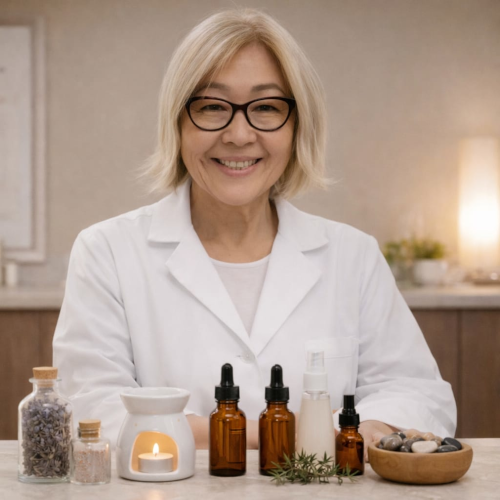
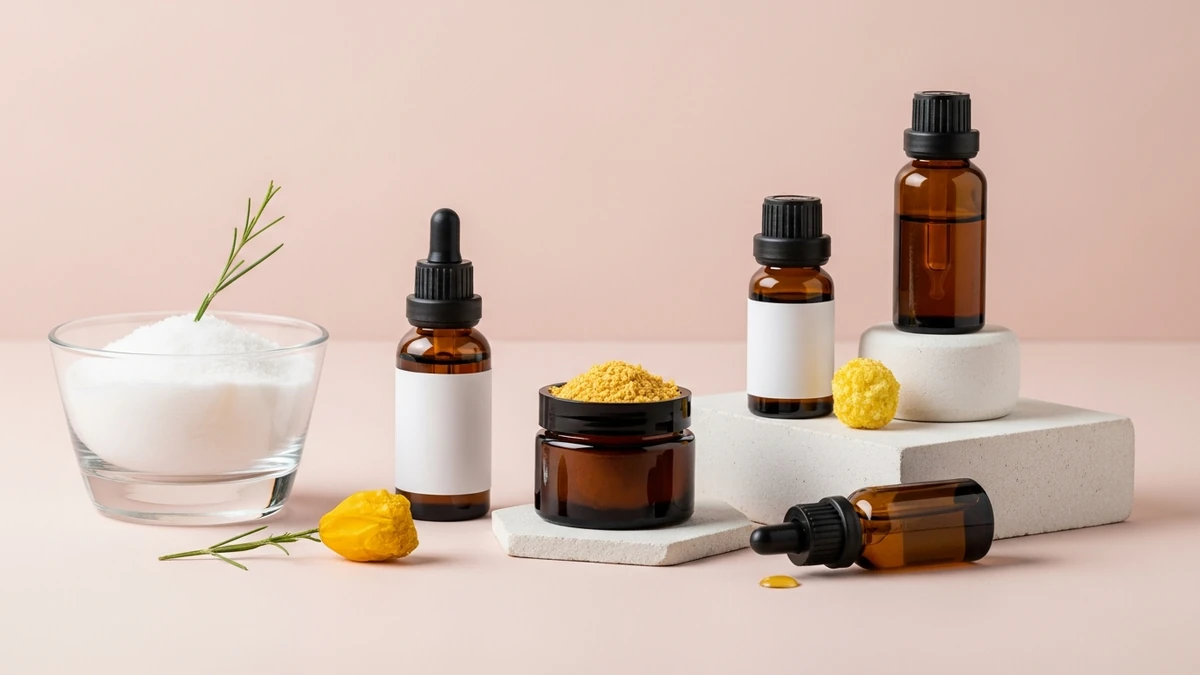
Combining carrier oils and essential oils in facial serums represents a holistic and profoundly effective approach to skincare, integrating the wisdom of nature with the science of aromatherapy. While carrier oils offer a nutrient-rich base of vitamins and essential fatty acids to nourish and protect the skin barrier, essential oils act as potent concentrated actives, capable of delivering specific therapeutic benefits, from reducing inflammation to stimulating cell regeneration. The synergy between these two realms offers a personalized path to vibrant, balanced skin.
Understanding the composition and properties of each is fundamental for formulating safe and truly beneficial serums. The growing popularity of natural cosmetics and clean beauty drives the search for solutions that respect both the body and the environment, and homemade facial serums with carrier oils and essential oils stand out in this scenario. However, safety is paramount: the potency of essential oils demands knowledge of proper dilution and potential contraindications to ensure the experience yields only well-being and positive results.
Properties and Composition
To unlock the potential of personalized facial serums, it is crucial to understand the distinctions and complementarities between carrier oils and essential oils. Both are extracted from plants, but their chemical compositions and mechanisms of action are quite different, resulting in unique benefit profiles for the skin. Carrier oils, also known as fixed oils or botanical oils, are typically obtained by cold pressing seeds, nuts, or fruits, consisting primarily of triglycerides (fatty acids and glycerol). Essential oils, on the other hand, are highly concentrated extracts of volatile plant components, obtained by steam distillation or cold pressing the rind, and are responsible for the plant's aroma and therapeutic properties.
Key Chemical Components
Carrier oils are true nutritional complexes for the skin. They are rich in essential fatty acids like omega-3, 6, and 9, which are crucial for skin barrier integrity, promoting hydration, elasticity, and protecting against external aggressors. Additionally, many contain vitamins (A, C, E), antioxidants, and phytosterols, which combat free radicals, reduce inflammation, and aid in cell regeneration. The variety of carrier oils allows for choosing bases with different levels of occlusivity and absorption, suitable for each skin type.
Conversely, essential oils are composed of hundreds of smaller, volatile organic molecules, such as terpenes, phenols, esters, aldehydes, and ketones. These molecules impart each essential oil its distinctive aroma and its vast therapeutic properties. For example, linalool, found in lavender, is known for its calming properties, while terpinen-4-ol, from tea tree oil, is valued for its antimicrobial action. The high concentration of these compounds requires rigorous dilution before topical application to prevent irritation and sensitization.
Proven Therapeutic Properties
Scientific research has validated many traditional applications of essential oils and carrier oils in dermatology and cosmetics. Carrier oils act as emollients, softening and smoothing the skin; as occlusives, creating a protective barrier that prevents water loss; and as moisturizers, providing fatty acids that integrate into the skin's lipid matrix. Their anti-inflammatory and antioxidant properties make them excellent allies in combating premature aging and aiding the recovery of damaged skin.
Essential oils, in turn, demonstrate an impressive range of therapeutic actions. Many are antiseptic, anti-inflammatory, antioxidant, healing, and even cell-regenerating. Lavender essential oil, for instance, is widely studied for its calming and cicatrizing properties. Frankincense oil is valued for its ability to promote skin regeneration and reduce the appearance of fine lines. Tea tree oil is a powerful ally against acne and other bacterial and fungal conditions. The intelligent selection of essential oils, combined with the appropriate carrier oil base, allows for creating highly targeted serums for specific skin needs.
Benefits and Applications
The integration of carrier oils and essential oils in facial serums offers a multifaceted approach to skincare, not only on a physical level but also for mental and emotional well-being, transforming the beauty routine into a complete self-care ritual.
Physical Health Benefits for Skin
In the context of physical skin health, serums formulated with the correct combination of carrier and essential oils can provide a myriad of benefits. Firstly, deep hydration is a cornerstone, as carrier oils, rich in fatty acids, reinforce the skin's lipid barrier, preventing transepidermal water loss. This results in softer, more supple skin with a healthy appearance.
Beyond hydration, many oils possess antioxidant properties that combat free radicals, which are responsible for premature aging. Oils like rosehip and grapeseed are known for their ability to protect cells from oxidative damage. The anti-inflammatory action of certain essential oils, such as chamomile and lavender, helps reduce redness, irritation, and conditions like acne and rosacea, promoting a more even and calm skin tone.
For mature skin, the ability of some essential oils, like frankincense and clary sage, to stimulate cell regeneration and the production of collagen and elastin is a significant advantage, contributing to the reduction of fine lines and wrinkles and improving skin firmness. In cases of acne and excessive oiliness, oils like jojoba (which mimics the skin's natural sebum) and tea tree (with its antimicrobial properties) can balance sebum production and fight acne-causing bacteria without over-drying the skin.
Mental and Emotional Well-being Benefits
Aromatherapy integrated into facial serums transcends topical care, extending to mental and emotional well-being. The act of applying a serum, with its subtle and natural aromas, can transform into a moment of relaxation and introspection. The olfactory system is directly linked to the limbic system, which is the center of emotions and memories. Thus, inhaling the vapors of essential oils during serum application can have a significant impact on mood and emotional state.
Essential oils such as lavender, bergamot, and geranium are widely recognized for their calming and balancing properties, helping to reduce stress and anxiety. A serum with these notes can transform the nighttime routine into a relaxing ritual, preparing the mind for restorative sleep. Conversely, oils like lemon, sweet orange, and peppermint can offer an energizing and uplifting effect, ideal for morning use, promoting mental clarity and a sense of vitality to start the day. When choosing essential oils for your facial serum, consider not only the skin benefits but also the desired effect on your emotional and mental state, creating a truly holistic experience.
Methods of Use
While the primary focus is the incorporation of carrier oils and essential oils into facial serums, it is helpful to understand the various forms of essential oil application to contextualize their potency and versatility in aromatherapy and, by extension, how this potency must be respected when formulating skincare products.
Aromatic Diffusion
Aromatic diffusion is one of the most popular and safest ways to enjoy the benefits of essential oils in your environment. An ultrasonic diffuser disperses micro-particles of the oils into the air, allowing for inhalation. While not a direct topical application, diffusing oils like lavender (for relaxation) or lemon (for energizing) can create an atmosphere that complements your skincare routine. For example, diffusing relaxing oils at night can improve sleep quality, which indirectly benefits skin health. For a facial serum, diffusion is not the method of use, but the created olfactory environment can enhance the serum's well-being effect.
Topical Application (Massage and Baths)
Topical application is the most relevant form for using carrier oils and essential oils in facial serums. However, it is crucial that essential oils are always diluted in a carrier oil, such as a vegetable oil, before being applied directly to the skin. Proper dilution prevents irritation and sensitization, in addition to optimizing absorption.
For facial serums, topical application is done by gently massaging a few drops of the serum onto clean skin. This massage not only facilitates the absorption of nutrients and active ingredients but also stimulates circulation and provides a moment of relaxation. When formulating a serum, dilution rates generally range from 0.5% to 2% essential oil, depending on the specific oil, the area of application, and skin sensitivity.
The mention of "Baths" in this context refers to diluting essential oils in a dispersant (such as Epsom salt, milk, or neutral liquid soap) before adding them to bathwater. Although not a direct method for facial serums, it exemplifies the need for safe dispersion and dilution to avoid concentrated direct contact with the skin and mucous membranes – a valuable lesson for any topical formulation.
Direct Inhalation
Direct inhalation of essential oils can be done in several ways: directly from the bottle, by dropping a few drops onto a tissue, or using a personal inhaler. While not the primary method for applying a facial serum, inhalation can be a powerful complement. After applying the serum to your face, you can gently cup your hands over your nose and mouth, inhaling deeply the vapors of the essential oils present in the formulation. This small ritual can intensify the emotional benefits of the serum, providing a moment of clarity, relaxation, or energization, depending on the chosen oils. It is a subtle way to integrate the benefits of aromatherapy into your daily skincare.
Safety Warnings and Precautions
Safety is paramount when working with essential oils and carrier oils, especially when formulating products for the face. The potency of essential oils requires in-depth knowledge and a cautious approach to avoid adverse reactions and ensure a positive experience.
Dilution is the golden rule in topical aromatherapy. Essential oils should never be applied neat (undiluted) directly to the skin, especially on the face, due to the risk of irritation, sensitization, or chemical burns. For facial serums, a dilution between 0.5% and 2% is generally safe for most essential oils, with exceptions that may require even lower dilutions. Always use a good quality carrier oil for dilution.
Before applying a new serum to your face, always perform a patch test (sensitivity test). Apply a small amount of the diluted serum to an inconspicuous area of the skin (such as the inner forearm) and observe for 24 to 48 hours for any signs of irritation, redness, itching, or swelling. If any reaction occurs, discontinue use.
Phototoxicity is another crucial concern. Some citrus essential oils, such as bergamot (especially non-FTFC), lemon, orange, and grapefruit, contain furanocoumarins that can react with sunlight, causing burns and hyperpigmentation. If using citrus oils, opt for "furanocoumarin-free" (FTFC) versions or apply the serum only at night, avoiding direct sun exposure for at least 12 to 18 hours after application.
Avoid applying essential oils near the eyes, inside the nose, ears, or on mucous membranes. In case of accidental contact, do not try to rinse with water, as water can spread the oil. Instead, apply a clean carrier oil (such as olive oil or coconut oil) to dilute and remove the essential oil.
Specific alerts for vulnerable groups: * Pregnancy and Lactation: Many pregnant and breastfeeding individuals need to avoid the use of certain essential oils due to a lack of conclusive studies on their safety. Consult a qualified aromatherapist or your doctor. Oils like clary sage, rosemary, and peppermint are often contraindicated. * Children: Children's skin is more sensitive and permeable. Dilutions should be significantly lower (0.25% to 0.5%), and many essential oils are unsuitable for use on infants and young children. Always seek professional guidance. * Sensitive Skin: Individuals with sensitive skin, allergies, or conditions like eczema and rosacea should exercise extreme caution. Choose very gentle essential oils, such as lavender and chamomile, and start with the lowest dilutions. * Pets: Pets, especially cats, metabolize essential oils differently than humans. Avoid using essential oils on their skin or in their environment without the guidance of a veterinarian specializing in aromatherapy.
Essential oils are powerful natural tools, but they are not a substitute for medical advice or treatment. The information provided in this article is for educational purposes only and should not be interpreted as a diagnosis or medical prescription. Always consult a qualified healthcare professional for any medical concerns.
Combinations and Synergies
The art of formulating facial serums lies in the ability to create powerful synergies, where the combination of carrier oils and essential oils results in an effect greater than the sum of their individual parts. The careful selection of each component is fundamental to optimize benefits and target treatment for specific skin needs.
Complementary Essential Oils
The selection of essential oils should be guided by skin type and specific concerns. Here are some popular suggestions and their properties:
-
Oily and Acne-Prone Skin:
- Tea Tree: Powerful antimicrobial and anti-inflammatory, helps fight acne-causing bacteria.
- Geranium: Balances sebum production, gentle astringent, and promotes radiant skin.
- Juniper Berry: Detoxifying and astringent, useful for congested skin.
- Lemongrass: Astringent, purifying, ideal for skin with enlarged pores.
-
Dry and Dehydrated Skin:
- Lavender: Calming, regenerating, and moisturizing, excellent for dry and sensitive skin.
- Sandalwood: Emollient, hydrating, and anti-inflammatory, great for mature and dry skin.
- Roman Chamomile: Highly anti-inflammatory and calming, perfect for irritated and dry skin.
- Patchouli: Helps retain moisture and regenerate skin, with anti-inflammatory properties.
-
Mature and Aging Skin:
- Frankincense: Promotes cell regeneration, reduces the appearance of fine lines, and improves elasticity.
- Rose Damascena: Luxurious and potent cell regenerator, anti-inflammatory, ideal for mature and sensitive skin.
- Myrrh: Antioxidant, rejuvenating, and helps maintain healthy skin.
- Clary Sage: Balancing and toning, aids in skin regeneration.
-
Sensitive and Reactive Skin:
- Lavender: Gentle, calming, and anti-inflammatory.
- Roman Chamomile: Excellent for reducing redness and irritation.
- Helichrysum (Immortelle): Powerful anti-inflammatory and regenerative, ideal for damaged or irritated skin.
Remember to always research the properties and safety of each essential oil before use.
Ideal Carrier Oils
The choice of carrier oil (vegetable oil) is as important as that of essential oils, as it constitutes the majority of the serum and also offers its own therapeutic benefits.
- Jojoba Oil: Actually a liquid wax, it closely mimics the skin's natural sebum, making it an excellent oil for all skin types, especially oily and acne-prone skin, as it helps balance sebum production. It is easily absorbed and non-comedogenic.
- Argan Oil: Rich in vitamin E and essential fatty acids, it is a powerful antioxidant and moisturizer. Ideal for dry, mature skin and for improving skin elasticity.
- Rosehip Oil: Famous for its regenerative and healing properties. Helps diminish spots, scars, and fine lines. Excellent for mature, damaged skin or with hyperpigmentation.
- Grapeseed Oil: Lightweight and fast-absorbing, rich in antioxidants. Good for oily and combination skin, as it does not clog pores.
- Sesame Oil: Rich in vitamins and minerals, with antioxidant and anti-inflammatory properties. Nourishing for dry skin and used in Ayurvedic medicine.
- Sweet Almond Oil: A classic, gentle, and emollient oil, excellent for sensitive and dry skin.
- Avocado Oil: Highly nutritious, rich in vitamins A, D, E. Ideal for very dry and mature skin, providing deep hydration.
To create a serum, you can use a single carrier oil or a combination to take advantage of the properties of different oils, building a robust and nourishing base for your essential oils.
Final Considerations
The journey of creating your own facial serums with carrier oils and essential oils is an invitation to personalization and empowerment in your skincare routine. By understanding the unique properties of each component and the synergies they can form, you not only nourish your skin deeply and naturally but also connect with self-care rituals, transforming beauty into a holistic experience. The key to success and safety lies in knowledge, research, and conscious practice.
Remember that skin individuality is a crucial factor. What works wonderfully for one person may not be ideal for another. Therefore, gradual experimentation, patch testing, and careful observation of your skin's reactions are indispensable steps. Always prioritize the quality of your oils—opt for pure, chemotyped essential oils, and cold-pressed and organic carrier oils, always from reputable suppliers. The quality of the ingredients directly impacts the effectiveness and safety of your serum.
Finally, do not hesitate to seek professional guidance. A qualified aromatherapist can offer valuable insights and help create personalized formulations, especially if you have complex skin conditions, are pregnant or breastfeeding, or have other health concerns. Natural beauty through facial aromatherapy is an enriching path that, when approached with care and knowledge, reveals healthier, more vibrant skin and holistic well-being. Empower yourself with the power of nature for mindful skincare.